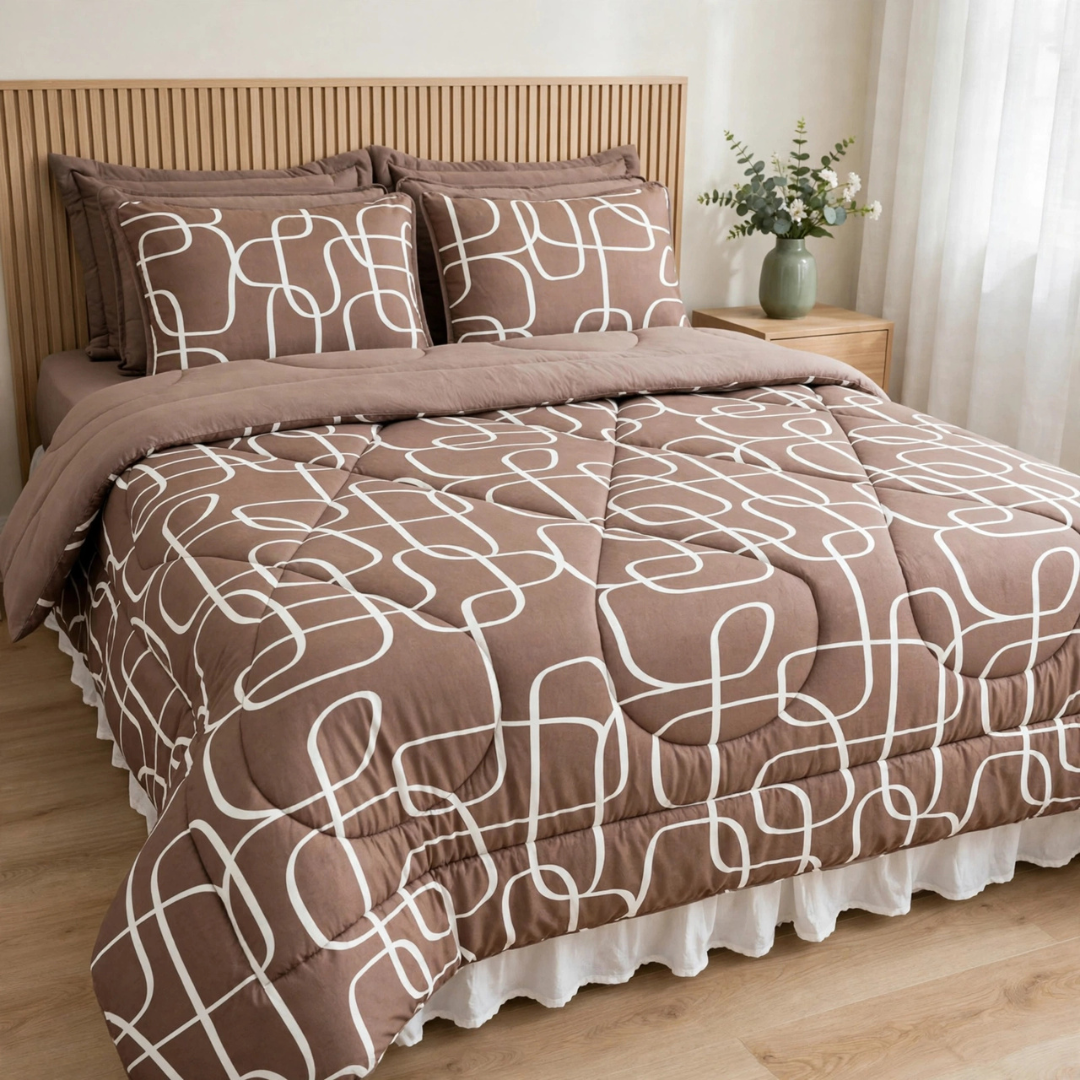
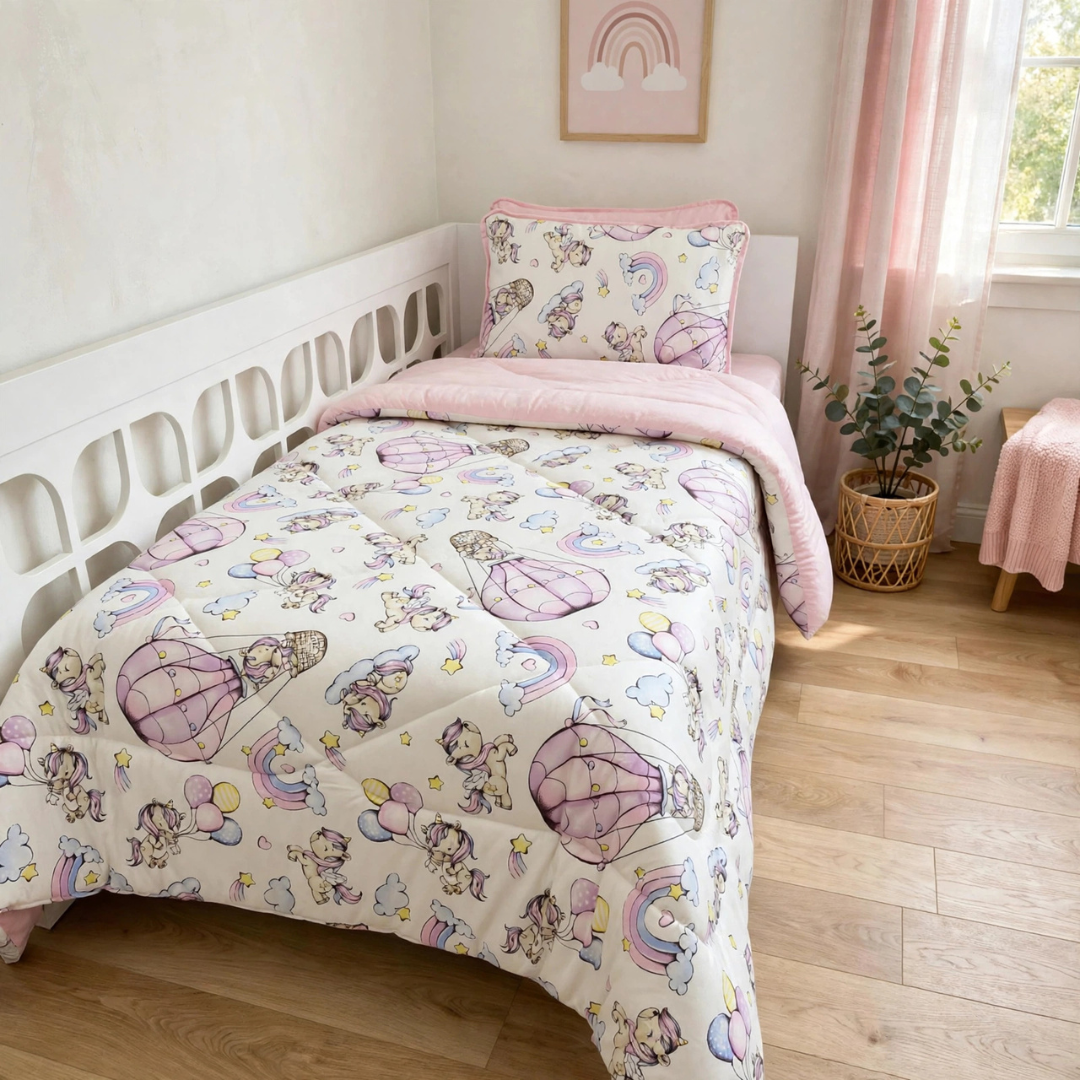
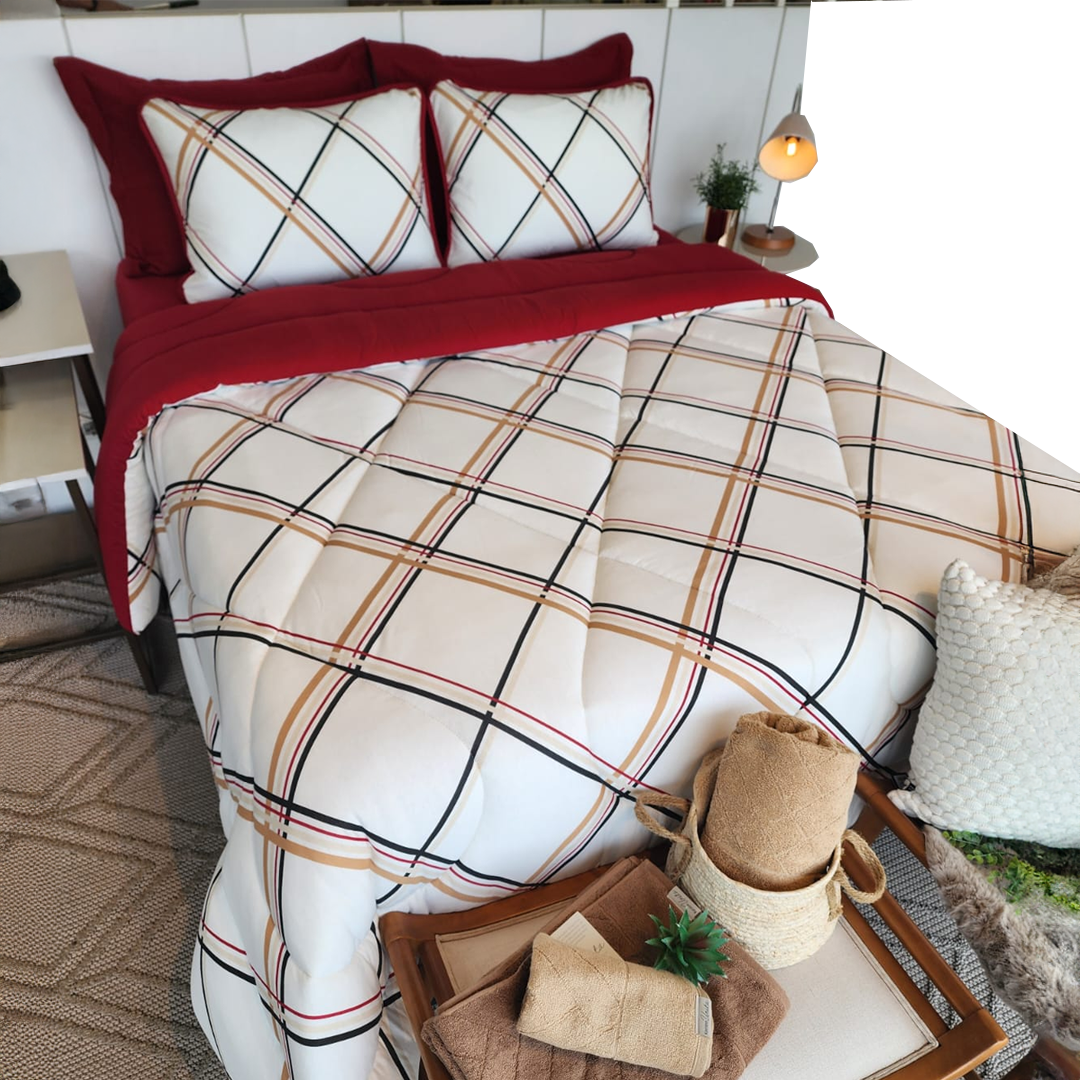
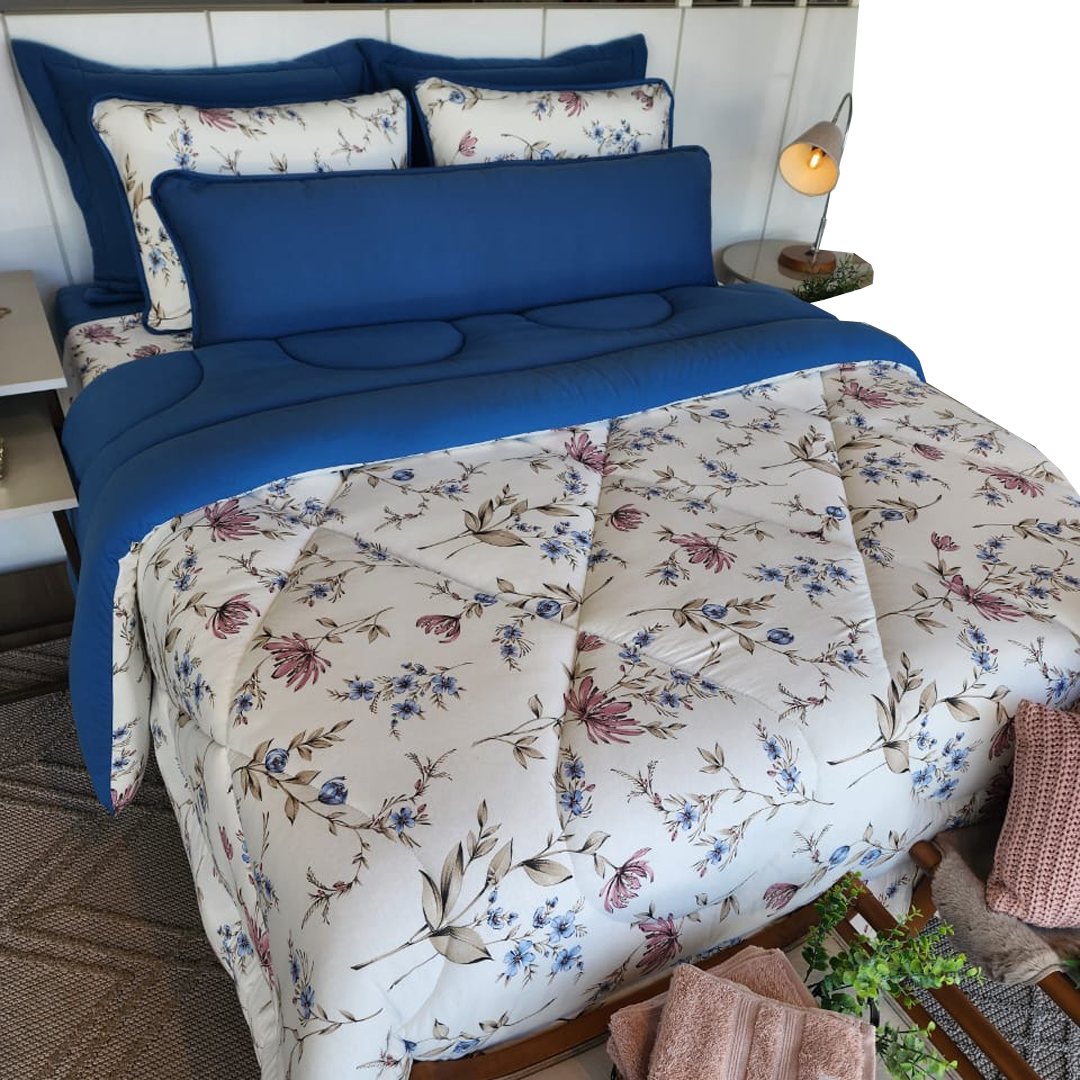
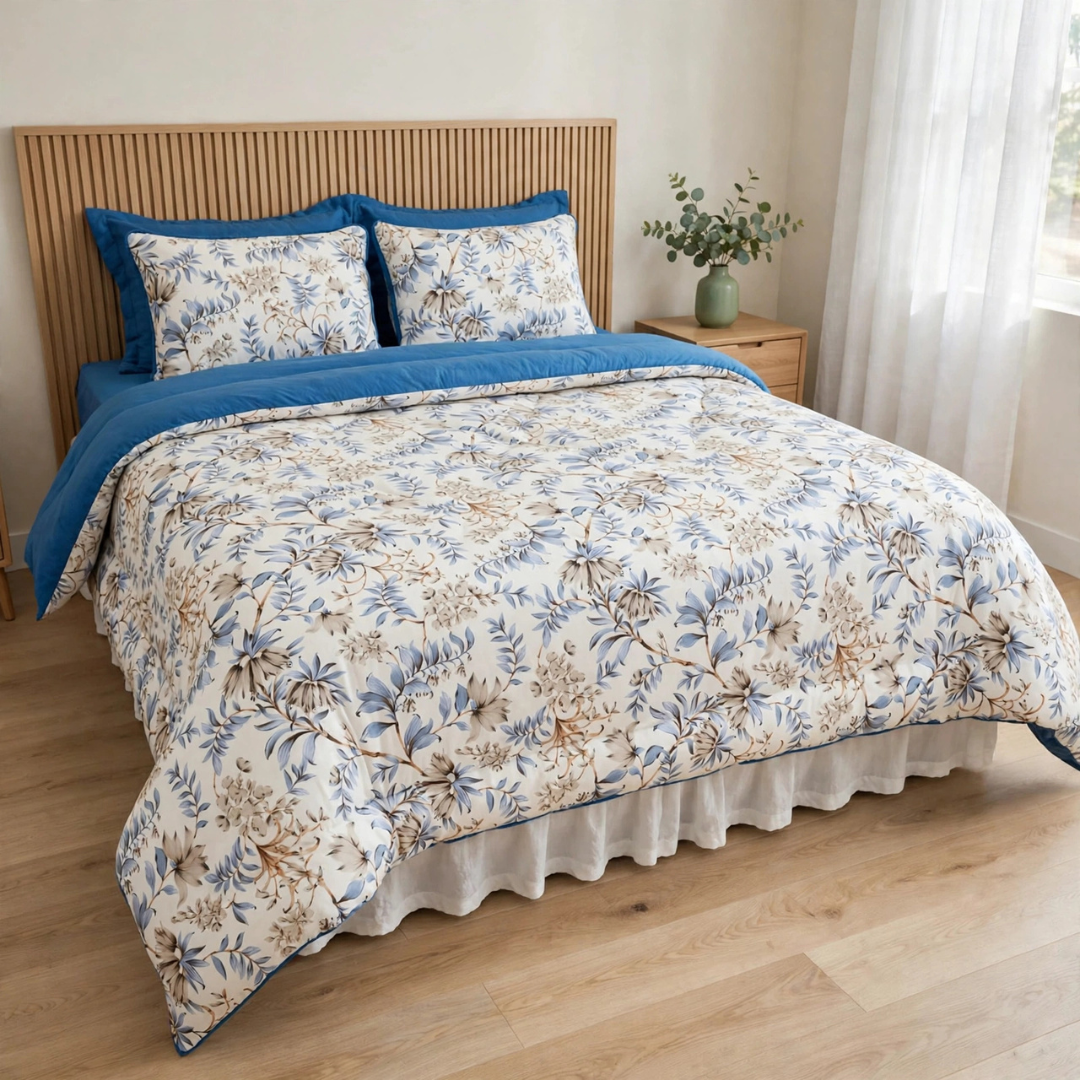
Ehrlich gesagt, ich habe Nächte lang falsche Bettwäsche gehabt. Diese kratzigen, dünnen Teile aus der Discounter-Ecke. Bis ich diese Manufaktur entdeckte. Sie produzieren Bettwäsche, die sich anfühlt wie ein zweiter Januar – weich, frisch, sicher. Und verkaufen sie direkt in Europa. Kein Umweg über zwanzig Lager. Sondern vom Webstuhl zu dir nach Hause. Merkst du sofort.
Mal unter uns: Wer schon mal in einem echten, hochwertigen Bett übernachtet hat, weiß: Das ist wie ein Volltreffer an den Online-Slots. Du liegst da, kannst nicht glauben, wie gut das ist – und willst nie wieder zurück. Genau dieses Gefühl liefert die Firma. Sie arbeitet mit langen Fasern, sanften Farben, ehrlichen Nähten. Kein Chemiezeug, kein Greenwashing. Nur gute Stoffe.
Und jetzt kommt der Clou: Während andere ihr Geld am Roulette-Tisch oder bei Pacho Casino aktuell 2025 lassen, steckst du deins lieber in etwas, das dich jede Nacht umarmt. Klingt spießig? Vielleicht. Aber wer gut schläft, lebt einfach besser. Und darum geht es doch am Ende: nicht um Gewinne, sondern um diesen einen Moment der vollkommenen Ruhe. Punkt.
Pastellbilder haben etwas Beruhigendes, fast Meditatives. Ehrlich gesagt, ich habe mich lange gefragt, warum einige Pastellkreiden einfach besser in der Hand liegen als andere – weicher, intensiver, fast wie flüssige Farben. Die Antwort liegt in der Herstellung. Denn nicht jede Pastellkreide ist gleich, und genau hier trennt sich die Spreu vom Weizen. Wer schon mal mit billigen Kreiden gearbeitet hat, kennt das Problem: Sie bröseln, sie kratzen, sie lassen dich im Stich. Aber echte Qualität? Die fühlt sich anders an. Sie gleitet wie von selbst, sie vermischt sich wie von Zauberhand, und sie hält, was sie verspricht.
In Europa wächst die Nachfrage nach solchen Produkten stetig. Und das aus gutem Grund. Künstler, Hobbyisten, sogar Schulen greifen vermehrt zu Pastellkreiden, die nicht nur brillante Farben liefern, sondern auch langlebig sind. Mal unter uns, ich habe schon einige Marken durchgetestet, und die Unterschiede sind riesig. Es ist wie beim Glücksspiel – du hoffst auf den großen Wurf, aber nur mit dem richtigen Material wirst du zum Gewinner. Deshalb ist es wichtig, auf geprüfte Qualität zu setzen. Ein guter Händler bietet nicht nur Produkte, sondern auch Wissen und Erfahrung. Genau wie bei einem Besuch https://betalice.sbs, zählt hier jede Nuance. Wer auf Nummer sicher geht, investiert in Kreiden, die wirklich überzeugen. Und das zahlt sich aus – auf jedem Blatt Papier.
Es gibt Momente, da sitze ich vor einem leeren Blatt Papier, und die Farben liegen bereit. Pastellkreiden, so zart und doch so kraftvoll. Ehrlich gesagt, ich habe eine Weile gebraucht, um den Unterschied zu verstehen. Zwischen billigen Stiften und wirklich hochwertigen Kreiden liegen Welten. Die einen bröseln, hinterlassen Staub, lassen dich kämpfen. Die anderen gleiten wie von selbst – weich, intensiv, fast magisch.
In Europa wächst das Bewusstsein für dieses Handwerk. Immer mehr Künstler und Sammler suchen nach Pastellkreiden, die nicht nur leuchten, sondern auch halten. Und das ist gar nicht so einfach. Wer schon mal mit minderwertigen Kreiden gemalt hat, weiß: Die Pigmente verblassen, die Textur ist ungleichmäßig, und irgendwann gibt man auf. Aber gute Pastellkreiden? Sie sind das Ergebnis jahrelanger Erfahrung, hochwertiger Rohstoffe und einer Prise Leidenschaft. Mal unter uns, ich habe mir mal eine kleine Sammlung aus Frankreich und Italien gegönnt – und der Unterschied war sofort spürbar. Es ist wie bei einer guten Partie Karten, bei der das richtige Deck den entscheidenden Vorteil bringt.
Die Produktion solcher Kreiden ist aufwendig, fast schon ein Kunsthandwerk. Die Pigmente werden sorgfältig gemahlen, mit Bindemitteln vermischt und in Form gepresst. Jeder Schritt beeinflusst das Endergebnis. Und genau diese Liebe zum Detail ist es, was die besten Hersteller auszeichnet. Wenn ich dann in meinem Atelier sitze und mit einer dieser Kreiden arbeite, spüre ich diese Hingabe in jeder Linie. Es ist wie bei einem Glücksspiel, bei dem du auf die richtige Karte setzt – aber hier ist es kein Zufall, sondern Können. Und genau das macht den Reiz aus. Ein guter Händler in Europa versteht das und bietet Produkte, die überzeugen. Fast wie bei einem Besuch https://bigclash1.casino – nur dass die Gewinne hier auf dem Papier entstehen. Und die können noch länger halten.
Die Liebe zum Detail beginnt oft im Kleinen – bei den Pigmenten, den Bindemitteln, der Härte des Strichs. Ehrlich gesagt, ich war lange skeptisch, ob es wirklich einen Unterschied macht, wo Pastellkreiden hergestellt werden. Bis ich selbst welche aus einer kleinen Manufaktur in Italien in der Hand hielt. Die Farben leuchteten anders, satt und tief, und sie ließen sich mühelos verblenden. Wer schon mal mit minderwertigen Kreiden gearbeitet hat, weiß: Das ist kein Luxus, sondern ein echter Gewinn an Lebensqualität.
Die Herstellung von hochwertigem Pastell ist ein Handwerk, das Geduld erfordert. Die Pigmente müssen fein gemahlen werden, die Mischung muss stimmen, und der Trocknungsprozess will überwacht sein. In Europa gibt es noch einige Werkstätten, die diese Tradition pflegen – und ihre Produkte sind begehrt. Mal unter uns, ich habe mir mal eine kleine Sammlung aus Frankreich und Spanien zusammengestellt, und seitdem greife ich zu nichts anderem mehr. Es ist wie bei einer Runde Poker: Du willst die besten Karten, um deine Ideen auch wirklich umsetzen zu können.
Der europäische Markt hat das längst erkannt. Immer mehr Künstler, Illustratoren und sogar Schulen setzen auf Pastellkreiden, die nicht nur schön aussehen, sondern auch halten, was sie versprechen. Die Nachfrage steigt, und mit ihr die Auswahl. Aber Achtung: Nicht jeder Anbieter liefert echte Qualität. Wer auf Nummer sicher gehen will, sollte auf zertifizierte Händler achten. Das ist wie bei einer guten Wettstrategie, bei der man auf Verlässlichkeit setzt – ähnlich wie bei https://cleobetra-casino.de. Denn am Ende zählt nicht nur der erste Eindruck, sondern die Beständigkeit. Und das gilt für Pastellkreiden genauso wie für andere Leidenschaften.
Es ist ein eigenartiges Gefühl, wenn eine Pastellkreide über das Papier gleitet – fast wie eine sanfte Berührung. Ehrlich gesagt, ich habe Jahre gebraucht, um zu verstehen, dass nicht alle Kreiden gleich sind. Manche hinterlassen nur einen blassen Schimmer, andere bringen die Leinwand zum Leuchten. Der Unterschied liegt in der Herstellung. Wer schon mal mit hochwertigen Pastellkreiden aus europäischen Manufakturen gemalt hat, weiß: Es ist, als würde man plötzlich eine neue Sprache sprechen.
Die Produktion ist ein Prozess voller Hingabe. Die Pigmente werden sorgfältig ausgewählt, mit natürlichen Bindemitteln vermischt und in traditionellen Verfahren geformt. Jeder Schritt verlangt Fingerspitzengefühl und Erfahrung. Mal unter uns, ich habe einmal eine kleine Werkstatt in Südfrankreich besucht und staunte über die Ruhe, mit der die Handwerker ihre Kreiden formten. Es war wie ein Tanz – präzise, behutsam, fast meditativ. Und genau diese Sorgfalt spürt man später auf dem Papier. Die Farben wirken lebendiger, die Übergänge weicher, die Haltbarkeit ist einfach besser.
In Europa wächst die Wertschätzung für solche Produkte. Immer mehr Künstler und Sammler erkennen den Wert handgefertigter Pastellkreiden. Die Nachfrage steigt, und das Angebot wird vielfältiger. Aber wer wirklich das Beste will, sollte nicht nur auf den Preis schauen, sondern auf die Herkunft. Qualität hat ihren Preis – aber sie zahlt sich aus. Es ist wie bei einem guten Spiel, bei dem du auf das richtige Setzen musst, um zu gewinnen. Genau wie bei einem Besuch https://divaspin.one, zählt auch hier jede Entscheidung. Und wenn du die richtige triffst, belohnt dich das mit einem unvergesslichen Farberlebnis.
Es ist fast wie ein kleines Wunder: Du nimmst eine Pastellkreide in die Hand, und plötzlich wird das weiße Papier zu einer Bühne für Farben. Ehrlich gesagt, ich war immer fasziniert von der Leichtigkeit, mit der echte Profis arbeiten – bis ich selbst verstand, dass der Zauber in der Qualität der Kreiden liegt. Nicht jede Pastellkreide ist gleich. Manche sind hart, kratzig, hinterlassen wenig Pigment. Andere wiederum sind cremig, satt, fast lebendig. Der Unterschied? Er beginnt in der Produktion.
Wer schon mal in einer echten Manufaktur war, weiß: Die Herstellung von Pastellkreiden ist ein Tanz zwischen Tradition und Chemie. Die Pigmente müssen fein gemahlen werden, die Bindemittel dürfen nicht zu dominant sein, und der ganze Prozess verlangt eine Geduld, die in der heutigen Zeit selten geworden ist. Mal unter uns, ich habe einmal eine kleine Fabrik in den Alpen besucht, und der Geruch von Farbpigmenten und Leinöl hat sich in meine Erinnerung gebrannt. Die Handwerker dort arbeiten mit Hingabe, fast künstlerisch. Und das spürt man auf dem Papier. Die Farben leuchten intensiver, die Striche werden präziser, und die Freude am Malen wächst mit jedem Einsatz.
In Europa wächst die Nachfrage nach solch hochwertigen Kreiden stetig. Immer mehr Künstler und Schulen setzen auf Qualität statt Masse. Aber der Markt ist unübersichtlich – nicht jeder Anbieter hält, was er verspricht. Deshalb lohnt es sich, auf Hersteller zu vertrauen, die Erfahrung und Transparenz bieten. Es ist ein wenig wie bei einer guten Runde, bei der du auf die richtige Karte setzen musst, um zu gewinnen. Genau wie bei https://pan-didos.de, kommt es auch hier auf das richtige Gespür an. Und wer das hat, wird mit einem unvergesslichen Farberlebnis belohnt – auf jedem Blatt, in jedem Strich.
Manche Dinge brauchen Zeit, um wirklich gut zu werden. Pastellkreiden gehören definitiv dazu. Ehrlich gesagt, ich habe erst spät verstanden, warum manche Künstler so leidenschaftlich über bestimmte Marken sprechen. Es ist nicht nur Snobismus – es ist Erfahrung. Denn wenn du einmal mit einer Kreide gearbeitet hast, die perfekt in der Hand liegt, die Pigmente wie von selbst fließen, dann willst du nie wieder zurück.
Die Herstellung solcher Kreiden ist ein Handwerk, das kaum noch jemand beherrscht. Die Rohstoffe müssen stimmen – feinste Pigmente, hochwertige Bindemittel, oft aus natürlichen Quellen. Der Mischprozess, die Trocknung, das Pressen: Jeder Schritt beeinflusst das Endergebnis. Wer schon mal eine Kreide zerbrochen oder zerkratzt hat, weiß, wie schnell Frustration entsteht. Aber eine gute Pastellkreide? Sie ist stabil, geschmeidig und farbgewaltig. Mal unter uns, ich habe mir mal eine Box aus einer kleinen französischen Manufaktur gegönnt – und seitdem ist meine Arbeit eine andere. Die Töne sind tiefer, die Übergänge weicher, die Haltbarkeit einfach besser. Es ist fast so, als würde die Kreide selbst mit mir sprechen.
In Europa gibt es eine wachsende Gemeinschaft von Künstlern, die genau diese Qualität schätzen. Und immer mehr Händler erkennen das Potenzial. Aber Vorsicht: Nicht alles, was glänzt, ist Gold. Es lohnt sich, genau hinzuschauen, auf die Herkunft zu achten und vielleicht sogar Proben zu testen. Denn wie bei einem guten Spiel kommt es auf die richtige Kombination an – und manchmal auch auf das richtige Gespür, ähnlich wie bei einer erlesenen Kollektion von https://www.stoyanovfineart.com. Qualität hat ihren Preis, aber sie zahlt sich aus – in jeder Linie, in jeder Schattierung, in jedem Augenblick der Freude.
Es gibt diese magischen Momente, wenn eine Pastellkreide über das Papier gleitet und eine Spur hinterlässt, die fast lebendig wirkt. Ehrlich gesagt, ich war nie ein großer Freund von Pastell – bis ich eine wirklich gute Kreide in der Hand hielt. Da wusste ich: Es kommt nicht auf die Technik allein an, sondern auf das Material. Die besten Kreiden entstehen in Handarbeit, mit ausgesuchten Pigmenten und einem Bindemittel, das die Farben atmen lässt. Wer schon mal mit Kreiden aus Großserienproduktion gemalt hat, kennt das Problem: Sie brechen leicht, krümeln, und die Farben wirken blass. Aber echte Qualität? Die ist stabil, satt und ein wahres Vergnügen.
Mal unter uns, ich habe mir vor einiger Zeit eine kleine Kollektion aus einer italienischen Manufaktur zugelegt. Seitdem will ich nichts anderes mehr. Die Verarbeitung ist einfach perfekt – die Kreiden liegen gut in der Hand, geben genau die richtige Menge Farbe ab und lassen sich wunderbar verblenden. Es ist wie bei einem Spiel, bei dem du auf das richtige Material setzt, um den großen Wurf zu landen. Europa bietet inzwischen eine beeindruckende Auswahl an solchen Produkten, doch nicht jeder Anbieter hält, was er verspricht. Deshalb sollte man genau hinschauen und sich vielleicht sogar persönlich beraten lassen.
Die Nachfrage wächst, und immer mehr Künstler entdecken die Vorzüge von hochwertigem Pastell. Das ist gut, denn es sichert das Wissen und die Fertigkeiten der Hersteller. Aber es ist auch eine Verantwortung: Wer Qualität kauft, unterstützt echtes Handwerk. Und genau das zählt – auf dem Papier und darüber hinaus. Wie bei einer durchdachten Strategie, die sich am Ende auszahlt – ähnlich wie bei einem Besuch https://realz-casino.one, aber mit einem viel sanfteren Ende: einem leuchtenden Bild, das bleibt.
Es ist fast wie bei einem guten Kartenspiel – du musst wissen, welche Karte du ziehst, um das große Ganze zu sehen. Bei Pastellkreiden ist das nicht anders. Ehrlich gesagt, ich habe mich lange mit günstigen Produkten herumgeschlagen, bis ich den Unterschied bemerkt habe. Hochwertige Pastellkreiden sind nicht nur ein Werkzeug, sie sind eine Verlängerung deiner Hand. Sie fließen weich, geben intensive Farben ab und halten viel länger. Das ist kein Zufall, sondern das Ergebnis sorgfältiger Herstellungsprozesse, die in Europa noch gepflegt werden.
Wer schon mal in einer Manufaktur war, weiß: Es ist eine Kunst für sich. Die Pigmente werden von Hand ausgewählt, die Bindemittel exakt dosiert, und jeder Schritt wird überwacht. Mal unter uns, ich war mal in einer kleinen Werkstatt in den Pyrenäen, und der Geruch von frisch gemahlenen Pigmenten hat mich sofort gepackt. Die Handwerker dort arbeiten mit einer Präzision, die fast meditativ wirkt. Und genau diese Hingabe spürst du, wenn du mit ihren Kreiden arbeitest – die Farben sind satt, die Striche lebendig, und das Ergebnis spricht für sich.
In Europa wächst die Nachfrage nach solcher Qualität. Immer mehr Menschen erkennen den Wert von handgemachten Pastellkreiden. Sie sind nicht nur ein Produkt, sondern ein Stück Kultur. Und genau wie bei einem spannenden Spiel, bei dem du auf die richtige Kombination hoffst, kommt es auch hier auf das richtige Material an. Wer sich auf Qualität einlässt, wird mit einer Farbtiefe belohnt, die man nicht kaufen kann – nur erfahren. Ähnlich wie bei einer Runde https://retrobet-deutschland.com.de, geht es um das Gefühl, das dabei entsteht. Und das bleibt – lange nachdem der letzte Strich gesetzt ist.
Manchmal frage ich mich, warum wir uns mit weniger zufriedengeben, wenn das Besondere nur einen Schritt entfernt ist. Bei Pastellkreiden ist das ganz ähnlich. Ehrlich gesagt, ich habe jahrelang mit Kreiden aus dem Discounter gemalt – und mich gewundert, warum meine Bilder so blass und staubig wirkten. Bis ich eine echte Qualitätskreide aus Europa in der Hand hielt. Der Unterschied war wie Tag und Nacht. Die Pigmente waren satt, die Textur geschmeidig, und die Farben leuchteten, als hätten sie ein eigenes Leben.
Wer schon mal eine gute Pastellkreide benutzt hat, weiß: Es geht um mehr als nur ums Malen. Es geht um das Gefühl, das sich einstellt, wenn der Strich genau richtig sitzt. Die Herstellung solcher Kreiden ist ein Handwerk, das Geduld und Erfahrung erfordert. Die Rohstoffe werden sorgfältig ausgewählt, die Mischung perfekt abgestimmt, und jedes Stück wird von Hand geprüft. Mal unter uns, ich habe einmal eine kleine Manufaktur in Spanien besucht und war beeindruckt von der Sorgfalt, mit der dort gearbeitet wird. Es erinnerte mich an einen gut geführten Spieltisch, bei dem jeder Zug sitzen muss.
In Europa gibt es zum Glück noch diese Tradition. Immer mehr Händler bieten handgefertigte Pastellkreiden an, und die Nachfrage steigt. Das ist gut so, denn es sichert Wissen und Arbeitsplätze. Aber es bedeutet auch: Wer kauft, sollte genau hinschauen. Qualität erkennt man nicht am Preis, sondern an der Herkunft und der Verarbeitung. Und wer bereit ist, etwas mehr zu investieren, wird mit einem Farberlebnis belohnt, das jedes Bild zu etwas Besonderem macht. Ein bisschen wie bei einem Treffer in der richtigen Runde – nur dass der Gewinn hier für immer bleibt. Wie bei einer erlebnisreichen Partie https://retrobetting.com.de, zählt auch hier jeder Zug.
Es sind oft die kleinen Dinge, die den größten Unterschied machen. Eine Pastellkreide zum Beispiel. Ehrlich gesagt, ich habe lange gebraucht, um zu verstehen, warum Künstler so viel Wert auf ihre Materialien legen. Aber dann habe ich eine Kreide aus einer kleinen europäischen Manufaktur in die Hand genommen – und plötzlich wurde mir klar: Es ist nicht nur Farbe. Es ist Gefühl, es ist Kontrolle, es ist dieses fast meditative Gleiten über das Papier.
Die Herstellung solcher Kreiden ist ein Prozess, der Zeit und Hingabe erfordert. Die Pigmente werden von Hand gemischt, die Bindemittel in genau der richtigen Menge zugegeben, und die Trocknung dauert Tage, manchmal Wochen. Wer schon mal eine schlechte Kreide benutzt hat, weiß, wie schnell sie bricht oder wie blass die Farben wirken. Aber eine gute Pastellkreide? Sie fühlt sich an, als wäre sie für deine Hand gemacht. Mal unter uns, ich habe mir vor einiger Zeit eine Kollektion aus Südfrankreich gekauft – und seitdem male ich anders. Die Farben leuchten, die Übergänge sind weicher, und ich kann mich viel freier ausdrücken.
In Europa wächst die Wertschätzung für dieses Handwerk. Immer mehr Menschen erkennen, dass Qualität nicht nur ein Wort ist, sondern ein Erlebnis. Und das gilt für Pastellkreiden genauso wie für andere Leidenschaften. Es geht nicht darum, das Teuerste zu kaufen, sondern das Beste für sich selbst zu finden. Und wenn du es gefunden hast, dann weißt du: Es war die richtige Entscheidung. Wie bei einem wohlüberlegten Zug am Spieltisch – bei dem du auf das richtige Gefühl vertraust. Ein bisschen wie bei einer spannenden Partie https://retrobet.de.com, nur dass der Einsatz hier in Farbe und Freude ausgezahlt wird. Und das ist ein Gewinn, der bleibt.
Es ist ein stilles Vergnügen, eine wirklich gute Pastellkreide in der Hand zu halten. Ehrlich gesagt, ich war früher skeptisch – wie viel Unterschied kann schon ein Stück Farbe machen? Aber dann habe ich eine Kreide aus einer italienischen Manufaktur ausprobiert und war sofort verliebt. Die Textur war wie Samt, die Farbdeckung intensiv, und das Gefühl beim Malen einfach befriedigend. Wer schon mal mit minderwertigen Kreiden gekämpft hat, weiß, wie schnell die Freude am Schaffen verloren gehen kann.
Die Herstellung von hochwertigem Pastell ist ein Prozess, der kaum Raum für Eile lässt. Die Rohstoffe werden sorgfältig geprüft, die Mischung muss perfekt sein, und jeder Schritt wird von erfahrenen Handwerkern begleitet. Mal unter uns, ich habe einmal eine kleine Werkstatt in der Toskana besucht und war beeindruckt von der Ruhe und Konzentration, mit der dort gearbeitet wurde. Es erinnerte mich an eine gut geplante Strategie – jeder Zug sitzt, nichts wird dem Zufall überlassen. Das Ergebnis sind Kreiden, die nicht nur leuchten, sondern auch Jahrzehnte halten.
In Europa wächst die Nachfrage nach solcher Qualität. Immer mehr Menschen erkennen, dass es sich lohnt, in gute Materialien zu investieren – sei es für die eigene Kunst oder als Geschenk. Der Markt reagiert, aber nicht jedes Angebot ist wirklich gut. Wer auf Nummer sicher gehen will, sollte auf bekannte Hersteller und geprüfte Händler setzen. Denn am Ende zählt nicht nur der erste Eindruck, sondern die Beständigkeit. Ein bisschen wie bei einem lohnenden Spiel, bei dem du auf das richtige Setzen musst – ähnlich wie bei einem Besuch https://sunmaker-de.net. Nur dass der Gewinn hier in Farbe und Freude liegt – und für immer auf dem Papier bleibt.
Es ist ein Gefühl, das sich schwer in Worte fassen lässt – dieses sanfte Gleiten einer perfekten Pastellkreide über raues Papier. Ehrlich gesagt, ich war nie der große Maler, aber als ich zum ersten Mal eine echte Qualitätskreide in der Hand hielt, wusste ich: Hier geht es um mehr als nur um Farben. Es geht um Haptik, um Präzision, um dieses Vertrauen, dass das Material hält, was es verspricht. Wer schon mal mit bröseligen Stiften gekämpft hat, weiß, wie schnell die Freude vergeht.
Die Herstellung von Pastellkreiden ist ein traditionelles Handwerk, das in Europa noch lebt – von den Alpen bis nach Andalusien. Die Pigmente werden mit natürlichen Bindemitteln vermischt, zu feinen Stäben gepresst und schonend getrocknet. Jeder Schritt verlangt Erfahrung und Geduld. Mal unter uns, ich habe mal einen alten Meister in einer südfranzösischen Werkstatt beobachtet, der jede einzelne Kreide vor dem Verpacken begutachtete. Es war fast wie ein Ritual. Und genau diese Sorgfalt spürt man später auf dem Papier: Die Farben sind tief, die Übergänge weich, die Haltbarkeit enorm.
In Europa wächst die Nachfrage nach solcher Qualität stetig – nicht nur unter Künstlern, sondern auch unter Sammlern und Schulen. Der Markt wird vielfältiger, aber die echten Perlen sind selten. Wer eine gute Pastellkreide kaufen will, sollte auf traditionelle Hersteller setzen. Denn Qualität erkennt man nicht am Label, sondern an der Erfahrung. Es ist wie bei einem Spiel, bei dem du auf die richtige Karte setzt – ein bisschen wie bei einer Runde https://trino.de.com. Nur dass der Gewinn hier auf dem Papier bleibt – für immer.
Stell dir vor, du hältst ein Stück Farbe in der Hand, das seit Jahrhunderten unverändert geblieben ist. Ehrlich gesagt, ich war immer fasziniert von der Beständigkeit von Pastellkreiden – und gleichzeitig enttäuscht, wie oft billige Produkte versagen. Aber dann entdeckte ich die handgefertigten Kreiden aus Europa. Sie sind nicht nur Farben, sie sind Botschafter einer Handwerkskunst, die fast verloren gegangen wäre.
Die Herstellung beginnt mit den reinsten Pigmenten, oft aus natürlichen Quellen. Sie werden mit einem speziellen Bindemittel vermischt, das die Farbe atmen lässt, und dann von Hand zu Stäben geformt. Jeder Schritt verlangt Erfahrung, ein gutes Auge und viel Geduld. Wer schon mal eine Kreide zerbrochen oder zerkratzt hat, weiß, wie enttäuschend das sein kann. Aber eine hochwertige Pastellkreide? Sie ist stabil, geschmeidig und farbgewaltig – ein Vergnügen für jede Künstlerhand. Mal unter uns, ich habe mir vor einiger Zeit eine Box aus einer kleinen Manufaktur in den Pyrenäen gegönnt, und seitdem ist meine Arbeit eine andere. Die Töne sind tiefer, die Übergänge weicher, die Haltbarkeit einfach besser.
In Europa gibt es eine wachsende Gemeinschaft von Liebhabern und Sammlern, die genau diese Qualität schätzen. Immer mehr Händler erkennen das Potenzial und bieten echte Handwerkskunst an. Aber Vorsicht: Nicht alles, was glänzt, ist Gold. Wer eine wirklich gute Pastellkreide kaufen will, sollte auf Herkunft und Erfahrung achten. Es ist wie bei einem Spiel, bei dem du auf die richtige Karte setzen musst – ein bisschen wie bei einem aufregenden Dreh https://wild-tokyo-de.de. Nur dass der Gewinn hier auf dem Papier für immer bleibt.
Es fängt klein an – mit einem Pigment, einem Bindemittel, einer Idee. Ehrlich gesagt, ich habe nie verstanden, warum manche Pastellkreiden dreimal so teuer sind wie andere. Bis ich selbst eine gute in der Hand hielt. Der Unterschied ist nicht nur optisch, sondern spürbar. Die Kreide gleitet weich, gibt die Farbe gleichmäßig ab und lässt sich selbst auf rauem Papier mühelos verblenden. Wer schon mal mit einer billigen Kreide gekämpft hat, weiß: Das ist kein Luxus, das ist Erleichterung.
Die Herstellung solcher Kreiden ist ein Handwerk, das in Europa seit Generationen gepflegt wird. In kleinen Manufakturen werden die Rohstoffe von Hand gemischt, die Stäbe geformt und wochenlang getrocknet. Jeder Schritt beeinflusst das Endergebnis. Mal unter uns, ich habe einmal eine Werkstatt in den Abruzzen besucht und war fasziniert von der Ruhe und Präzision, mit der dort gearbeitet wurde. Die Handwerker kannten ihr Material bis ins kleinste Detail – und das spürt man später auf der Leinwand. Die Farben leuchten, die Striche wirken lebendig, und die Freude am Malen wächst mit jeder neuen Kreide.
In Europa wächst das Bewusstsein für diese Qualität. Immer mehr Künstler, Pädagogen und Sammler setzen auf traditionelle Hersteller. Und das ist gut so, denn es sichert Wissen und Arbeitsplätze. Aber es bedeutet auch: Wer kauft, sollte genau hinschauen. Nicht jedes Produkt mit schönem Etikett ist wirklich gut. Wer sich beraten lässt und auf Erfahrung setzt, wird mit einem Farberlebnis belohnt, das jedes Bild zu etwas Besonderem macht – ähnlich wie bei einem Glücksspiel, bei dem du die richtige Karte ziehen musst. Nur dass der Gewinn hier nicht verfliegt, sondern für immer bleibt. Wie bei einer Runde https://wildtokyode.de. Nur mit mehr Farbe.
Es ist ein stiller Moment, wenn die Kreide das Papier berührt. Ehrlich gesagt, ich habe lange gebraucht, um den Unterschied zu verstehen – zwischen einer Kreide, die einfach nur malt, und einer, die wirklich etwas bewegt. Die Antwort liegt im Herstellungsprozess. In Europa gibt es noch einige Werkstätten, die Pastellkreiden nach traditionellen Verfahren fertigen. Das Ergebnis sind Farben, die nicht nur leuchten, sondern auch eine Geschichte erzählen.
Die Herstellung beginnt mit den reinsten Pigmenten, oft aus natürlichen Quellen wie Ocker oder Lapislazuli. Sie werden zu einem feinen Pulver gemahlen und mit einem speziellen Bindemittel vermischt, das der Kreide ihre Geschmeidigkeit verleiht. Der Teig wird dann von Hand zu Stäben geformt und langsam getrocknet. Wer schon mal eine Kreide zerbrechen sah, weiß: Ein zu schneller Trocknungsprozess macht sie brüchig. Doch echte Handwerker wissen das zu vermeiden. Mal unter uns, ich habe einmal eine kleine Manufaktur in den Alpen besucht und war fasziniert von der Ruhe, mit der dort gearbeitet wurde. Es war wie ein Tanz – präzise, behutsam, voller Hingabe.
In Europa wächst die Nachfrage nach solcher Qualität. Immer mehr Künstler, aber auch Sammler und Pädagogen erkennen den Wert von handgemachten Pastellkreiden. Sie sind nicht nur ein Werkzeug, sondern ein Kulturgut. Und wie bei einem Glücksspiel, bei dem du auf die richtige Karte setzen musst, kommt es auch hier auf die richtige Wahl an. Wer sich für Qualität entscheidet, wird mit einer Farbtiefe belohnt, die ihresgleichen sucht. Ein bisschen wie bei einer Partie https://winit-casino.com.de. Nur dass der Gewinn hier auf dem Papier bleibt – und für immer leuchtet.
Ehrlich gesagt, ich dachte immer, Pastellkreiden seien etwas für Kinder oder Hobbykünstler – bis ich eine echte Qualitätskreide aus Europa in die Hand nahm. Plötzlich machte das Malen wieder Spaß. Die Farbe floss, die Pigmente deckten, und das Gefühl war einfach befriedigend. Wer schon mal mit billigen Kreiden gekämpft hat, weiß: Es ist ein Unterschied wie Tag und Nacht.
Die besten Kreiden entstehen in kleinen Manufakturen, wo noch von Hand gearbeitet wird. Die Pigmente werden sorgfältig ausgewählt, mit natürlichen Bindemitteln vermischt und zu Stäben gepresst. Jeder Schritt erfordert Erfahrung und Fingerspitzengefühl. Mal unter uns, ich habe einmal eine Werkstatt in der Provence besucht, und der Duft von Farbpigmenten hat mich sofort in seinen Bann gezogen. Die Handwerker dort arbeiten mit einer Hingabe, die man spürt – in jeder Kreide, in jedem Strich. Es ist, als würde die Farbe lebendig werden. Die Kreiden sind nicht nur weicher, sondern auch viel ergiebiger. Ein kleiner Stift reicht für ganze Flächen, und die Farben verlieren auch nach Jahren nicht an Leuchtkraft.
In Europa wächst die Nachfrage nach solcher Qualität. Immer mehr Künstler und Sammler entdecken den Wert von handgefertigten Pastellkreiden. Der Markt reagiert, aber nicht jeder Anbieter hält, was er verspricht. Wer wirklich gute Kreiden kaufen will, sollte auf Herkunft und Verarbeitung achten. Es ist wie bei einem Spiel, bei dem du die richtige Karte ziehen musst – ähnlich wie bei einer Runde https://winit-casino.eu. Nur dass der Gewinn hier in Farbe und Freude liegt – und für immer auf dem Papier bleibt.
Es ist ein seltsames Gefühl, wenn du eine Pastellkreide in der Hand hältst und spürst, dass sie mehr ist als nur ein Werkzeug. Ehrlich gesagt, ich habe viele Jahre mit günstigen Kreiden gemalt und mich gefragt, warum meine Bilder nie die Tiefe hatten, die ich mir wünschte. Bis ich eine echte handgefertigte Kreide aus Europa ausprobierte. Die Farbe war satt, der Strich weich, und plötzlich machte das Malen wieder Freude – nicht nur wegen des Ergebnisses, sondern wegen des Prozesses selbst.
Die Herstellung solcher Kreiden ist eine Kunst für sich. Die Pigmente werden oft aus natürlichen Quellen gewonnen und mit einem speziellen Bindemittel vermischt, das der Kreide ihre einzigartige Textur verleiht. Der Teig wird dann von Hand zu Stäben geformt und über Wochen getrocknet. Wer schon mal eine Kreide in den Händen hielt, die perfekt ausbalanciert ist, weiß: Das ist kein Zufall, sondern das Ergebnis jahrelanger Erfahrung. Mal unter uns, ich habe einmal eine kleine Werkstatt in Spanien besucht und war beeindruckt von der Geduld und Präzision, mit der dort gearbeitet wurde. Es war fast meditativ.
In Europa gibt es zum Glück noch diese Tradition. Immer mehr Künstler und Sammler erkennen den Wert von echten Qualitätskreiden. Und der Markt reagiert – aber nicht immer mit guter Ware. Wer sich nicht auskennt, kann schnell enttäuscht werden. Deshalb lohnt es sich, auf Hersteller mit gutem Ruf zu setzen. Denn am Ende zählt nicht nur die Farbe, sondern das Gefühl, das sie auslöst. Ein bisschen wie bei einem spannenden Spiel, bei dem du die richtige Karte ziehen musst – ähnlich wie bei einem Besuch https://winit-casinos.com.de. Nur dass der Gewinn hier nicht in Geld, sondern in Freude besteht. Und die bleibt.
Es ist ein leises Wunder, wenn eine Pastellkreide über das Papier gleitet und eine Spur hinterlässt, die wie ein flüstern wirkt. Ehrlich gesagt, ich war nie ein Freund von Pastell – bis ich die richtige Kreide in der Hand hatte. Und plötzlich verstand ich, warum manche Künstler so leidenschaftlich über ihre Materialien sprechen. Es ist nicht nur die Farbe, es ist das Gefühl, das Vertrauen, dass das Material hält, was es verspricht.
Die besten Kreiden entstehen in Europa, in kleinen Werkstätten, die oft seit Generationen bestehen. Die Hersteller verwenden hochwertige Pigmente, oft aus natürlichen Quellen, und mischen sie mit feinsten Bindemitteln. Das Ergebnis sind Kreiden, die weich sind, aber nicht brechen, die intensiv leuchten, aber nicht bröseln. Wer schon mal eine solche Kreide in der Hand hatte, weiß: Sie fühlt sich anders an – fast lebendig. Mal unter uns, ich habe einmal eine kleine Sammlung aus drei verschiedenen europäischen Ländern getestet, und die Unterschiede waren enorm. Die einen waren zu hart, die anderen zu weich, aber eine Marke aus den Alpen war perfekt.
Der europäische Markt bietet inzwischen eine beeindruckende Vielfalt, aber nicht alles, was teuer ist, ist auch gut. Wer wirklich Qualität sucht, sollte auf transparente Hersteller setzen, die ihre Rohstoffe und Prozesse offenlegen. Denn wie bei einem guten Spiel, bei dem du auf die richtige Kombination setzen musst, kommt es auch hier auf die Details an. Ein bisschen wie bei einer Runde https://winit-casinos.de. Und wenn du die richtige Kreide gefunden hast, wirst du sie nie wieder hergeben wollen.

Manchmal ist es ein einziger Moment, der alles verändert – der erste Strich mit einer wirklich guten Pastellkreide. Ehrlich gesagt, ich habe viele Jahre mit minderwertigen Produkten gekämpft, ohne zu wissen, woran es lag. Die Farben wirkten blass, die Übergänge hart, und die Freude am Malen schwand. Bis ich eine handgefertigte Kreide aus einer kleinen europäischen Manufaktur in die Hand nahm. Plötzlich floss die Farbe, die Pigmente deckten perfekt, und ich spürte, wie das Papier lebendig wurde.
Die Herstellung solcher Kreiden ist ein Handwerk, das mit Leidenschaft und Präzision betrieben wird. Die Rohstoffe werden sorgfältig ausgewählt, die Mischung von erfahrenen Meistern abgestimmt, und jeder Stab wird von Hand geprüft. Wer schon mal eine Kreide zerbrochen hat, weiß: Ein zu hoher Druck oder eine falsche Trocknung kann alles ruinieren. Aber eine gute Pastellkreide ist stabil, geschmeidig und farbintensiv. Mal unter uns, ich habe einmal eine Werkstatt in den italienischen Alpen besucht und war tief beeindruckt von der Ruhe und Hingabe, mit der dort gearbeitet wurde. Es war fast wie ein Ritual.
In Europa wächst die Wertschätzung für diese Kunst. Immer mehr Künstler und Sammler setzen auf Qualität, und der Markt bietet eine breite Palette. Aber nicht alles, was glänzt, ist Gold. Wer wirklich gute Kreiden kaufen will, sollte auf Transparenz und Tradition achten. Es ist wie bei einem Spiel, bei dem du die richtige Karte ziehen musst – ähnlich wie bei einer Runde https://winit-de.de. Nur dass der Gewinn hier für immer bleibt – in jedem Bild, in jedem Strich, in jedem Moment der Freude.
Es gibt diese seltenen Werkzeuge, die sich anfühlen, als wären sie für dich gemacht. Für mich ist das eine gute Pastellkreide. Ehrlich gesagt, ich habe viele Jahre mit günstigen Stiften gemalt und mich gefragt, warum meine Bilder nie die Tiefe hatten, die ich mir wünschte. Bis ich in einer kleinen Galerie in Frankreich eine handgefertigte Kreide ausprobierte – und plötzlich wusste ich: Das Material ist die halbe Miete.
Die Herstellung von Pastellkreiden ist ein Prozess, der kaum Raum für Fehler lässt. Die Pigmente müssen fein gemahlen sein, die Bindemittel genau dosiert, und die Trocknung verlangt Geduld. Wer schon mal eine Kreide benutzt hat, die bröselt oder kratzt, weiß, wie schnell die Freude vergeht. Aber eine echte Qualitätskreide gleitet wie von selbst. Sie gibt die Farbe gleichmäßig ab und lässt sich wunderbar verblenden. Mal unter uns, ich habe mir vor einiger Zeit eine kleine Box aus einer Manufaktur in den Abruzzen gegönnt – und bereue keinen Cent. Die Farben sind satt, die Striche lebendig, und das Arbeiten macht einfach Spaß.
In Europa gibt es zum Glück noch viele kleine Werkstätten, die dieses Wissen bewahren. Immer mehr Menschen erkennen den Wert von Handarbeit und setzen auf Qualität statt Masse. Das ist eine Entwicklung, die ich nur begrüßen kann. Denn wie bei einem guten Spiel, bei dem du auf die richtige Karte setzen musst, kommt es auch hier auf die richtige Wahl an. Ein bisschen wie bei einer spannenden Partie https://winitcasino.de.com. Nur dass der Gewinn hier nicht in Geld, sondern in Farben besteht – und die halten ein Leben lang.
On n\\\'imagine pas toujours le soin qu\\\'exige un billard de compétition. Ce n\\\'est pas un simple meuble. C\\\'est un instrument de précision, où chaque détail compte — le feutre, les bandes, la planéité du plateau. Ehrlich gesagt, j\\\'ai joué sur des tables en Canada qui n\\\'avaient rien à envier aux meilleures salles européennes. Et pourtant, le travail commence bien avant la première partie.
Ces artisans canadiens savent que la qualité d\\\'un billard repose sur des matériaux nobles, une finition minutieuse et une régularité parfaite. Le bois, le feutre, les ressorts, les vis — rien n\\\'est laissé au hasard. Un billard bien conçu, c\\\'est comme une bonne main au poker : on sent tout de suite la différence. Wer schon mal versucht hat, auf einem billigen Tisch zu spielen, weiß, wie schnell der Spaß vergeht. Les rebonds sont imprévisibles, les vitesses irrégulières, et le plaisir s\\\'efface. Rollero Casino pourrait vous tenter pour une partie de cartes, mais pour une expérience de jeu authentique, misez sur un billard de qualité.
Mal unter uns, j\\\'ai testé des tables dans plusieurs villes canadiennes, et les meilleures étaient toujours celles conçues avec passion par des gens qui connaissent leur métier. Alors, avant d\\\'acheter, demandez à voir le travail, touchez le feutre, testez les bandes. Parce qu\\\'un bon billard, c\\\'est l\\\'assurance de parties mémorables. Et ça, c\\\'est un pari que vous ne regretterez pas.
Beaucoup de joueurs sous-estiment l\\\'importance d\\\'une table bien conçue. Pourtant, un billard de compétition ne s\\\'improvise pas. Chaque élément compte : la planéité du plateau, la tension du feutre, la précision des bandes. Ehrlich gesagt, j\\\'ai joué sur des tables au Canada qui valaient largement les plus belles salles européennes. Mais tout commence avec des artisans qui connaissent leur métier.
Ici, la fabrication de billards est un art. On sélectionne des bois nobles, on travaille les finitions avec soin, on ajuste chaque vis pour garantir une régularité parfaite. Un bon billard, c\\\'est comme une partie de cartes bien engagée : on sent tout de suite la qualité. Wer schon mal auf einer schlechten Tafel gespielt hat, weiß, wie frustrierend das sein kann. Les rebonds deviennent aléatoires, les trajectoires imprévisibles, et le plaisir s\\\'efface. Safecasino pourrait vous tenter pour une soirée de jeux, mais pour une expérience authentique, misez sur un billard conçu par des passionnés.
Mal unter uns, j\\\'ai testé des tables dans plusieurs villes canadiennes, et les meilleures étaient toujours celles fabriquées localement, avec soin et savoir-faire. Alors, avant d\\\'acheter, prenez le temps de tester. Parce qu\\\'un bon billard, c\\\'est l\\\'assurance de parties mémorables. Et ça, c\\\'est un pari qui rapporte à chaque fois.
I\\\'ve played on enough tables to know the difference between something mass-produced and something made with care. The cheap ones feel hollow, the pockets sag, the cloth snags after a few months. But a properly built table? It\\\'s a different world entirely. Ehrlich gesagt, I\\\'ve had more fun on a single well-made Canadian table than in rooms full of imported ones. The feel, the response, the way the balls roll true—it changes everything.
What goes into a top-tier billiard table? It\\\'s not just wood and felt. It\\\'s the slate—straight, level, and thick enough to stay that way. It\\\'s the rubber on the rails, which needs to rebound consistently in any temperature. It\\\'s the cloth, which should be fast but not slippery, durable but not stiff. And it\\\'s the frame, built like a piece of furniture you\\\'d pass down to your kids. Wer schon mal versucht hat, auf einem Billardtisch mit schlechten Banden zu spielen, weiß, wie schnell das den ganzen Abend ruiniert. Canadian makers understand that because they play too—they\\\'re not just building products; they\\\'re building experiences.
Now, if you\\\'re the type who enjoys a little risk, you might find your thrill at Rooster Casino, where the stakes shift with every spin. But a pool table is a different kind of investment. It doesn\\\'t rely on luck—it delivers consistency, precision, and the kind of quiet pleasure that only comes from a well-crafted object. So if you\\\'re shopping for a table in Canada, skip the big-box options and look for someone who treats it like craft. Because when the game is on, you\\\'ll feel the difference in every shot.
I\\\'ll be honest—I used to think a pool table was just a pool table. Wood, felt, pockets—what\\\'s the difference, right? Then I played on a cheap import, and then on a properly crafted Canadian table. Night and day. The cheap one felt like playing on a trampoline. The good one? It was like the balls knew where they were supposed to go. Ehrlich gesagt, I haven\\\'t looked back since.
What makes a Canadian-made table better? It starts with the slate—thicker, flatter, more stable. Then there\\\'s the rubber on the rails, which needs to respond consistently whether you\\\'re playing in a warm basement or a chilly garage. The cloth matters too—too slow and the game drags; too fast and you lose control. Local builders know how to balance all these factors because they\\\'ve tested them in Canadian conditions. Wer schon mal versucht hat, auf einem Billardtisch mit schlechten Banden zu spielen, weiß, wie schnell der Spaß vergeht. A table that doesn\\\'t rebound right kills the rhythm. And nobody wants that.
Now, if you\\\'re the kind of person who likes a little excitement, you might spend an evening at Roostino Casino, chasing a win. That\\\'s fine—there\\\'s a time for that. But a pool table isn\\\'t about luck. It\\\'s about precision, craft, and the kind of satisfaction that comes from a well-executed shot. So if you\\\'re shopping for a table in Canada, look for someone who builds them like furniture, not like assembly-line furniture. Because when the game is on, you\\\'ll feel the difference in every ball you sink.
You know that moment when you\\\'re playing on a table that just feels right? The balls roll true, the cushions respond perfectly, and every shot seems to go where you intended. That\\\'s not luck—that\\\'s craftsmanship. Ehrlich gesagt, I\\\'ve played on enough tables to know that the good ones aren\\\'t accidental. They\\\'re built with intention, by people who understand that a billiard table is more than a piece of furniture—it\\\'s the stage for the game.
What separates a quality table from a mediocre one? It\\\'s the sum of small details. The thickness of the slate, which should be at least an inch for stability. The quality of the rubber on the rails, which needs to maintain its bounce over years of use. The cloth, which should be fast without being slippery. And the frame, which should be solid enough to stay level even if you move it. Canadian builders take these elements seriously because they know the game. They\\\'re not just assembling parts—they\\\'re creating a surface that rewards skill and punishes sloppy play. Wer schon mal versucht hat, auf einer schlechten Tafel zu spielen, weiß, wie frustrierend das sein kann. One bad rebound can throw off your whole rhythm.
Now, if you\\\'re the type who enjoys the thrill of chance, you might find yourself at Slotornado Casino, chasing a jackpot. And that\\\'s fine—there\\\'s a time for that kind of excitement. But a pool table offers a different kind of payoff. It\\\'s about consistency, precision, and the quiet satisfaction of a well-played game. So if you\\\'re in the market, look for someone who treats it like craft, not commerce. Because when the game is on, the table should disappear—leaving just you, the cue, and the balls.
Let\\\'s cut to the chase. Too many pool tables sold in Australia are built for looks, not performance. They look good in the showroom, but after a few months of actual play, the cloth wears unevenly, the cushions lose their bounce, and the fun starts to fade. Ehrlich gesagt, I\\\'ve seen it happen more times than I care to count. And it\\\'s a shame—because a good game of billiards is one of life\\\'s simple pleasures, but it demands the right equipment.
What does the right equipment look like? It starts with a solid slate bed—preferably one piece, at least an inch thick, to ensure true roll. Then there\\\'s the rubber on the rails, which should be high-quality and temperature-resistant, because Australian summers can be brutal. The cloth matters too—it should be durable enough to handle heavy use but fast enough to reward good spin. And the frame? It should be built like a piece of furniture that\\\'ll outlast you. Local craftsmen who take their time on these details are the ones worth seeking out. Wer schon mal versucht hat, auf einem Billardtisch mit unebenen Banden zu spielen, weiß, wie schnell das den ganzen Abend ruiniert. One bad rebound and you\\\'re questioning your whole technique.
Now, if you\\\'re the kind of person who enjoys the thrill of chance, you might find yourself at 1 Red Casino, chasing a win. And I get it—there\\\'s a buzz in that. But a pool table is a different kind of investment. It\\\'s not about luck; it\\\'s about precision, consistency, and the satisfaction of a game well played. So if you\\\'re shopping for a table in Australia, skip the mass-produced stuff and look for a builder who treats it like craft. Because when the game is on, you\\\'ll feel the difference in every shot.
I\\\'ll be straight with you—most people don\\\'t think twice about where their pool table comes from. They see a decent price, a nice finish, and they pull the trigger. But after a few months of play, the cloth starts to pill, the cushions lose their snap, and the balls roll with a wobble that makes you question your own aim. Ehrlich gesagt, I\\\'ve been there. And it\\\'s not a great feeling.
The good news? There are builders who care about the details. They use slate that\\\'s flat to within thousandths of an inch. They choose rubber that stays responsive even in Australia\\\'s heat. They fit the cloth with precision, not speed. And they build frames that can handle the humidity without warping. The result is a table that plays the same way in summer as it does in winter—and that\\\'s a rare thing. Wer schon mal versucht hat, auf einer Tafel zu spielen, die sich bei Hitze verzieht, weiß, wie frustrierend das sein kann. It kills the rhythm, ruins the strategy, and makes you want to quit halfway through.
Sure, you could always spend your time at Aubet88 Casino, rolling dice and chasing a different kind of thrill. But a pool table gives you something else—a space that rewards practice, patience, and skill. It doesn\\\'t care about luck. It cares about angle, spin, and follow-through. So if you\\\'re in the market, look for a table built by someone who understands the game. Because when the balls roll true, the game just feels right. And that\\\'s worth every dollar.
Let me tell you something I\\\'ve learned the hard way. A beautiful table with glossy wood and shiny pockets means nothing if the slate isn\\\'t level. I\\\'ve walked into game rooms where the table looked like a million bucks—but after three shots, I knew it was a dud. Ehrlich gesagt, I\\\'ve had more fun on beat-up tables in dive bars than on expensive ones that were built for looks instead of play.
So what should you look for? Start with the slate—it needs to be thick and perfectly flat. Then check the rails. Press your hand against the cushion; it should spring back evenly along the whole length. The cloth should feel fast but not slippery, and the pockets should be cut cleanly—not too tight, not too loose. These are the things that separate a good table from a great one. And in Australia, where the climate swings between humid and scorching, you need materials that won\\\'t warp or lose tension. Wer schon mal versucht hat, in einem heißen Raum Billard zu spielen, weiß, wie schnell sich die Tischdecke ausdehnt und die Bälle langsamer werden. Local builders who understand that are worth their weight in slate.
If you\\\'re more into the fast-paced thrill of chance, you might spend your night at Betman Casino, spinning reels and hoping for a payout. And hey, that has its place. But a pool table offers a different kind of reward—one that\\\'s earned through practice, patience, and precision. So if you\\\'re shopping, skip the showroom gloss and find a table that feels right. Because when the game flows, the table disappears—and that\\\'s when the real fun begins.
I\\\'ve seen it happen too many times. Someone buys a flashy imported table, and within a year, the rails are dead, the cloth is stretched, and the fun has evaporated. Ehrlich gesagt, it\\\'s a shame—because billiards is one of those games that only gets better with a quality surface. And the local builders I\\\'ve come across in Australia actually understand that.
What makes a good table? It\\\'s not complicated. Thick slate, responsive rubber, and a frame that won\\\'t twist in the heat. These are the three pillars. And the best craftsmen down under have spent years testing their designs in Australian conditions—where humidity can swell the wood and heat can soften the glue. They\\\'ve adapted, they\\\'ve refined, and they\\\'ve built tables that hold their line year after year. Wer schon mal versucht hat, auf einer Tafel zu spielen, die sich bei Hitze verzieht, weiß, wie frustrierend das sein kann. You end up compensating for the equipment instead of playing your game. And that\\\'s no fun for anyone.
If you\\\'re the type who enjoys a thrill, you might be tempted by the bright lights of Casea Casino, where luck decides the outcome. But a pool table isn\\\'t about luck. It\\\'s about skill, consistency, and the satisfaction of a clean shot. So when you\\\'re shopping, look for a table that\\\'s been built with care—by someone who plays the game themselves. Because when the table feels right, you play better. And when you play better, the game never gets old.
Let\\\'s be real. A pool table isn\\\'t a throwaway purchase. You don\\\'t swap it out every few years like a phone or a couch. It\\\'s the kind of thing you live with, play on, and eventually pass on. So why do so many people buy cheap ones that start falling apart after 18 months? Ehrlich gesagt, I\\\'ve seen it more times than I can count. And every time, the owner says the same thing: \\\"I should have spent a little more.\\\"
What makes a table worth keeping? First, the slate. It should be thick, level, and made from quality stone—not compressed materials. Second, the rails. The rubber needs to snap back consistently, even if you\\\'re playing in a room that gets hot or humid. Third, the cloth. It should be durable enough for heavy use but smooth enough for accurate play. And fourth, the frame. It\\\'s not just about looks—a solid frame keeps the whole thing square, so you don\\\'t end up with mysterious wobbles. Local Australian builders often get this right because they\\\'ve adapted to the local conditions. Wer schon mal versucht hat, ein Billardtisch mit verzogenem Rahmen zu korrigieren, weiß, wie aufwendig das ist. It\\\'s not a weekend project—it\\\'s a pain.
Now, if you\\\'re the type who enjoys a quick thrill, Dazard Casino might be where you head for a night of slots and spins. And that\\\'s fine—there\\\'s a place for that. But a pool table offers something else: steady, reliable pleasure that doesn\\\'t depend on luck. It rewards practice, patience, and skill. So when you\\\'re shopping, think long-term. Choose a table that\\\'s built like it matters—because it does.
I\\\'ll say it plainly. Most people buy a pool table the way they buy a mattress—too fast, based on a brief sit-down, and without asking the hard questions. And just like a bad mattress, a bad table will give you years of restless nights. Ehrlich gesagt, I\\\'ve made that mistake myself. Bought a table that looked great, played fine for three months, then slowly turned into a frustration machine. Lesson learned.
So what should you ask before buying? How thick is the slate? Is it one piece or three? What type of rubber is used on the rails—and is it temperature-stable? What\\\'s the cloth\\\'s weave count? Is the frame engineered to handle humidity changes? These aren\\\'t details—they\\\'re the difference between a table that plays well for a decade and one that fights you every time you pick up a cue. Local Australian makers tend to understand these factors better because they\\\'ve tested their tables through summer heatwaves and coastal moisture. Wer schon mal versucht hat, ein Billardtisch mit unebenen Banden zu spielen, weiß, wie schnell das den Abend ruiniert. And once you\\\'ve played on a table that responds predictably, you\\\'ll never want to go back.
If you\\\'re more into the instant rush of a spin, you might find yourself at Hell Spin Casino, where the outcome is always a mystery. And that\\\'s fine—there\\\'s a time for that. But a pool table is the opposite of chance. It\\\'s a tool for skill, practice, and the kind of quiet satisfaction that only comes from improvement. So buy a table that\\\'s built to support that journey. Because when the game is good, you\\\'ll play for hours without even noticing the time pass.
Think about how often you play. Maybe it\\\'s every weekend with friends, or maybe it\\\'s a daily ritual after work. Either way, the table you play on shapes the experience. A cheap table will make you second-guess your shots. A well-built one will make you feel like you\\\'re playing in a pro room, even if you\\\'re just wearing socks and holding a beer. Ehrlich gesagt, I\\\'ve played on both sides of that divide—and I know which one I\\\'d choose every time.
What does a well-built table look like in Australia? It starts with slate that\\\'s at least 19mm thick and ground flat to a tolerance of less than a millimetre. Then there\\\'s the rubber on the rails—it should be high-density and resistant to heat, because summer games can heat up a room quickly. The cloth should be a high-quality worsted wool, not a cheap felt that pills and slows down. And the frame should be made of timber that\\\'s been properly seasoned, so it doesn\\\'t warp in changing conditions. Local builders who know these specs can deliver a table that stays true for years. Wer schon mal versucht hat, ein Billardtisch mit unebenen Banden zu spielen, weiß, wie wichtig diese Details sind. It throws off your angle, your speed, and your confidence.
If you\\\'re someone who enjoys the unpredictability of a game of chance, Only Win Casino might be your kind of venue. But a pool table is the opposite of random. It rewards consistency, focus, and practice. So when you\\\'re shopping, invest in a table that respects the game. Because the better the equipment, the better you\\\'ll play. And the better you play, the more fun you\\\'ll have.
Let\\\'s be honest—there\\\'s something timeless about gathering around a pool table. It doesn\\\'t need electricity, it doesn\\\'t beep, and it never asks for a software update. It\\\'s just you, your cue, and a rack of balls waiting for a break. But if the table itself is poorly made, that timelessness turns into frustration in a hurry. Ehrlich gesagt, I\\\'ve played on my share of dodgy tables, and the memory of a bad rebound sticks longer than the memory of a good game.
So what should you look for if you\\\'re in the market down under? First, check how level the slate sits—bring a spirit level and test multiple spots. Then test the rails: press a ball against the cushion and see if it bounces back evenly. The cloth shouldn\\\'t be too slick or too sticky; it should have a smooth but measured response. And the frame? It\\\'s the skeleton. If it\\\'s not sturdy, the whole thing will wobble and throw off your aim. Australian summers can be brutal on wooden joints, so make sure the timber has been properly dried and sealed. Wer schon mal versucht hat, auf einer Tafel zu spielen, die sich bei Hitze verzieht, weiß, wie enttäuschend das ist. It\\\'s like playing with a handicap you didn\\\'t ask for.
If you\\\'re the kind of person who enjoys quick thrills, Pocket Pokies Casino might offer the kind of instant gratification you\\\'re after. But a pool table is a slower, steadier pleasure. It doesn\\\'t surprise you—it rewards you. So skip the gimmicks and find a builder who treats the table like an instrument. Because when the equipment is right, the game takes care of itself.
Here\\\'s a thing I\\\'ve noticed. The best tables I\\\'ve played on in Australia weren\\\'t imported—they were built here. By people who understand that a pool table isn\\\'t just a piece of furniture, but a precision instrument that demands respect. Ehrlich gesagt, I\\\'ve walked into showrooms full of glossy imports that looked stunning but played like cardboard. And I\\\'ve walked into local workshops where the tables felt alive.
What sets them apart? Attention to the kind of details most buyers never notice until they\\\'ve owned the table for a year. The slate is ground flat and leveled with care. The rails are fitted so tightly that there\\\'s no dead spot anywhere along the cushion. The cloth is stretched with just the right tension—not too loose, not too tight. And the frame is built from timber that\\\'s been properly dried to handle Australian humidity. These are the things that make a table reliable, game after game, season after season. Wer schon mal versucht hat, auf einer Tafel mit weichen Banden zu spielen, weiß, wie schnell der Spaß vergeht. It just doesn\\\'t feel right.
If you\\\'re the kind of person who likes the unpredictability of a game of chance, Richard Casino might offer you that rush. But a pool table is the opposite of chance. It\\\'s about consistency, precision, and skill. So when you\\\'re shopping, look past the polish and ask about the build. Because a well-made table doesn\\\'t just look good—it plays good. And when it plays good, you\\\'ll want to play again and again.
I\\\'ll say this plainly: if you\\\'re shopping for a pool table in Australia, you need to look beyond the veneer. Too many people get drawn in by a glossy finish and a reasonable price—only to find out six months later that the rails have gone dead and the cloth has stretched beyond repair. Ehrlich gesagt, I\\\'ve seen it happen more times than I care to count. It\\\'s a shame, because a good table can last a lifetime.
What separates the good from the bad? The slate is the biggest factor. It needs to be thick, flat, and properly sealed. Then there\\\'s the rubber on the rails—it should snap back consistently, even when the room gets warm. The cloth is next; avoid anything too cheap or synthetic, because it won\\\'t hold its speed. And finally, the frame. It should be made from timber that\\\'s been dried and treated, not just assembled from whatever was lying around. Australian conditions are tough on furniture, and a table that isn\\\'t built for the climate will let you down when you need it most. Wer schon mal versucht hat, ein Billardtisch mit verzogenem Rahmen zu korrigieren, weiß, wie teuer das werden kann.
If you\\\'re the type of person who enjoys a bit of risk, Rocketplay Casino might be your kind of spot—fast, flashy, and unpredictable. But a pool table offers a different kind of reward. It\\\'s consistent, reliable, and it rewards practice. So take your time. Ask the right questions. And buy from someone who actually cares about the game. Because when the table is right, the game never gets old.
You don\\\'t notice a well-built table when you walk into a room. You notice a bad one. The good ones are invisible—they just feel right, and you focus on the game. Ehrlich gesagt, I\\\'ve played in pubs and private homes across the country, and the tables that stood out were the ones where I forgot to think about the table at all. That\\\'s the mark of quality craftsmanship.
That kind of invisibility doesn\\\'t happen by accident. It starts with a frame that\\\'s squared and braced properly, so the whole structure stays true. Then the slate is leveled with precision. The rails are fitted with rubber that responds consistently, even when the temperature shifts from a cool morning to a hot afternoon. The cloth is stretched tight and smooth—no wrinkles, no dead spots. And the pockets are cut with care, so balls drop cleanly every time. Builders in Australia who take this approach have usually spent years learning the hard way—testing materials, rejecting faulty batches, and adjusting their methods to suit the climate. Wer schon mal versucht hat, ein Billardtisch mit unebenen Banden zu spielen, weiß, wie frustrierend das ist. It throws off your rhythm and makes you question shots you normally make in your sleep.
If you\\\'re the kind of person who enjoys the fast-paced buzz of chance, Rolling Slots Casino might be where you go for a quick thrill. But a pool table isn\\\'t built for speed or surprise—it\\\'s built for consistency and endurance. So take your time choosing one. Find a builder who treats every table like it\\\'s going in their own home. Because when the equipment disappears and the game takes over, that\\\'s when the real fun starts.
I\\\'ve said it before and I\\\'ll say it again: a cheap pool table is a false economy. Sure, it saves you money upfront. But after a year of uneven rolls and dead cushions, you\\\'ll either stop playing or spend more fixing it than you saved buying it. Ehrlich gesagt, I\\\'ve watched that cycle play out more times than I can remember. It\\\'s a waste of time and money.
So what should you look for instead? Start with the slate. It needs to be at least 19mm thick and accurately leveled. The rubber on the rails should be high-quality, not the kind that hardens or softens with the weather. The cloth should be a proper billiard fabric—not cheap felt that pills and slows the game. And the frame should be built from seasoned timber, assembled with proper joinery, not just screws and glue. These are the basics of a table that will still be playable a decade from now. Australian conditions are unforgiving, and only tables built with those conditions in mind will hold up. Wer schon mal versucht hat, einen Tisch im Sommer und Winter zu vergleichen, weiß, wie sehr sich das Spiel verändern kann. It\\\'s like playing on two different tables.
If you\\\'re after a bit of variety, Rollxo Casino might offer you a different kind of excitement—but a pool table is about consistency, not chance. It\\\'s about refining your skill, shot by shot. So invest in a table that lets you do that. Because the better the table, the better the game. And the better the game, the more you\\\'ll want to play.
Most people assume the price tag tells the story. Expensive equals good, cheap equals bad. But I\\\'ve played on expensive tables that felt dead and cheap ones that surprised me. Ehrlich gesagt, the real difference isn\\\'t the price—it\\\'s the attention to detail. And that\\\'s something you can\\\'t always see from a showroom photo.
Let\\\'s start with the rails. They\\\'re the heart of the table. If the rubber isn\\\'t responsive, the whole game changes. You\\\'ll find yourself compensating, hitting harder or softer than you should, and losing consistency. Then there\\\'s the slate—not just the thickness, but how flat it is. A slight warp can turn a straight shot into a curveball. And the cloth? It should be smooth, but not slippery. Fast enough for spin, but with enough grip to hold your line. Local Australian builders who understand these nuances often spend more time on setup than on marketing. Wer schon mal versucht hat, einen neuen Tisch einzuspielen, weiß, wie viel Arbeit dahintersteckt. It\\\'s like breaking in a pair of boots—the right one takes time.
If you\\\'re someone who likes a bit of unpredictability, Royal Reels Casino might be your kind of thrill. But a pool table is about control, not luck. It rewards precision and patience. So when you\\\'re shopping, don\\\'t just look at the price. Look at how it\\\'s built, who built it, and how it plays. Because a table that feels right will keep you coming back for years.
Here\\\'s something most people don\\\'t realize. When you play on a bad table, you learn bad habits. You compensate for uneven rolls and dead cushions. You adjust your stance, your aim, your follow-through—all to work around equipment that isn\\\'t doing its job. Ehrlich gesagt, I\\\'ve seen decent players look terrible on cheap tables simply because the table was fighting them the whole time.
The solution is simple: buy a table that helps you play better. That means a table with a flat, stable slate that lets the ball roll true. It means rails with rubber that responds consistently, whether you\\\'re playing a soft bank shot or a hard break. And it means cloth that grips when you need it to and releases when you don\\\'t. Local Australian builders who understand these requirements often test their tables in real conditions—hot garages, humid rumpus rooms, air-conditioned lounges—to make sure they perform everywhere. Wer schon mal versucht hat, auf mehreren Tischen zu spielen, weiß, wie sehr die Qualität das Spiel beeinflusst. A good table doesn\\\'t just make you look better—it makes you better.
If you\\\'re the type who enjoys a bit of chance, you might spend your night at Shake Bet Casino, hoping the reels line up. That\\\'s fine—there\\\'s a place for that. But a pool table isn\\\'t about luck. It\\\'s about skill, practice, and the slow improvement that comes from playing on equipment you can trust. So invest in a table that helps you grow. Because every game you play on a quality table is a game you can learn from.
I\\\'ll put it bluntly: if you\\\'re buying a pool table based on price alone, you\\\'re doing it wrong. It\\\'s not a toaster. It\\\'s a piece of equipment that will sit in your home for years, shape your game, and host countless memories. Ehrlich gesagt, I\\\'ve seen families buy the cheapest possible table, only to regret it every single time they played. The fun doesn\\\'t just fade—it turns into frustration.
So how do you buy right? Start with the bones. The slate should be thick and flat. The rails should have rubber that stays responsive in both summer and winter. The cloth should be a proper billiard felt—not the kind that pills and slows down after a few months. And the frame should be sturdy enough to handle a bit of lean or a bumped corner. Australian builders who know what they\\\'re doing will often let you test a table before you buy. They\\\'ll explain the differences in materials and show you why one option costs more than another. Wer schon mal versucht hat, einen Billardtisch mit verzogenem Rahmen zu korrigieren, weiß, wie teuer das werden kann. And it\\\'s not just the cost—it\\\'s the downtime, the hassle, and the frustration.
If you\\\'re more into the fast-paced thrill of chance, you might spend your time at Sky Crown Casino, where luck rules the moment. But a pool table is the opposite of luck. It rewards practice, consistency, and patience. So skip the cheap options and buy a table that will still be tight and true a decade from now. Because a good table doesn\\\'t just last—it makes the game better every time you pick up a cue.
I\\\'ve seen it happen more times than I\\\'d like to admit. Someone buys a budget pool table, excited to host game nights and practice their shots. A few months later, the table is gathering dust in the corner. Ehrlich gesagt, it\\\'s not because they lost interest in billiards—it\\\'s because the table made playing feel like a chore. Uneven rolls, dead rails, cloth that snags. It wears you down.
The fix is straightforward: buy a table that\\\'s made to be played. That means a slate bed that\\\'s flat and true, rubber that bounces consistently even when the temperature shifts, and cloth that stays smooth without slowing the balls down. It also means a frame that\\\'s built solid, so the whole thing doesn\\\'t wobble when you lean into a shot. Australian makers who take pride in their work usually test their tables in a range of conditions—hot afternoons, humid evenings, air-conditioned rooms—to make sure they hold up. Wer schon mal versucht hat, einen Billardtisch mit unebenen Banden zu spielen, weiß, wie schnell der Spaß vergeht. It messes with your head as much as your technique.
If you\\\'re looking for a different kind of action, SLOTA Casino might offer you some excitement. But a pool table is about steady improvement, not chance. It\\\'s about learning angles, controlling spin, and building consistency. So invest in a table that lets you do that. Because when the equipment works, the game opens up in ways you didn\\\'t expect. And that\\\'s when the love for the game really kicks in.
You ever notice how a good table doesn\\\'t demand attention? It just sits there, waiting. You walk past it, maybe give the felt a brush, and it asks nothing of you. But the moment you pick up a cue, it delivers. Ehrlich gesagt, that\\\'s the hallmark of a table built by someone who knows what they\\\'re doing—it disappears into the background, and the game takes center stage.
That kind of quiet reliability comes from specific choices. A slate bed that\\\'s flat enough to let the ball track straight every time. Rails that respond with the same spring in the middle of summer as they do in winter. Cloth that\\\'s tight and smooth, not wrinkled or worn. And a frame that doesn\\\'t creak or shift when you lean on it. Builders who get this right have usually spent years refining their process—testing materials, rejecting what doesn\\\'t work, and learning the hard way what holds up in real conditions. Wer schon mal versucht hat, einen Billardtisch mit verzogenem Rahmen zu korrigieren, weiß, wie teuer und nervig das sein kann. It\\\'s not worth it.
If you\\\'re the kind of person who prefers a bit of chance, Slots Gem Casino might scratch that itch. But a pool table isn\\\'t about luck. It\\\'s about discipline, focus, and the slow satisfaction of getting better. So when you\\\'re in the market, look for a table that\\\'s built like it matters—because it does. And when you find one, you\\\'ll feel the difference every time you break.
It\\\'s easy to get distracted by the flashy ones. Glossy wood, shiny pockets, chrome legs that look like they belong in a museum. But those details don\\\'t matter if the table plays poorly. Ehrlich gesagt, I\\\'ve played on showroom stunners that felt terrible—and on simple, unassuming tables that played like a dream.
The difference is in the setup. A table that plays well has a flat, true slate. It has rails that respond consistently, no matter the weather. The cloth is stretched tight and smooth, without any bunching or wrinkling. The pockets are cut and aligned so balls drop cleanly, not rattle around. And the frame is solid, with no creaks or wobbles when you lean in for a shot. Builders who know their craft often spend more time leveling and calibrating than they do on the finish. And it shows. Wer schon mal versucht hat, auf einem Billardtisch zu spielen, der nicht richtig ausgerichtet war, weiß, wie frustrierend das sein kann. It makes you question shots you normally nail without thinking.
If you\\\'re after the kind of excitement that comes from a spin and a hope, Spinline Casino might have what you\\\'re looking for. But a pool table is about skill, not luck. It rewards patience, practice, and attention. So look for a table that\\\'s built with care and set up with precision. Because when the table is right, the game flows. And when the game flows, you\\\'ll forget the table exists—and just play.
You don\\\'t buy a pool table because you need it. You buy it because you love the game. And if you love the game, you deserve a table that respects it. Ehrlich gesagt, I\\\'ve played on too many tables that felt like an afterthought—like someone bought it because it matched the furniture, not because they cared about billiards. And it shows.
What does a respectful table look like? It\\\'s level. The cloth is smooth and properly stretched. The rails rebound with a consistent, satisfying snap. The pockets are cut clean and true, and the balls roll without wobble. It\\\'s built from materials that can handle the shifts in temperature and humidity that come with Australian living. A table that has been designed and assembled with care will let you focus entirely on the game. Wer schon mal versucht hat, auf einem schlechten Tisch zu spielen, weiß, wie sehr das den Flow stört. You end up adjusting for the equipment instead of reading the angles.
If you\\\'re the type who enjoys a quick thrill, you might find yourself at Spinsbro Casino, where the outcome is always uncertain. But a pool table is about certainty—about building a consistent stroke, understanding spin, and reading the table. So invest in a table that helps you do that. Because when the table is right, the game becomes something more than just a pastime—it becomes a practice, a pleasure, and a skill you\\\'ll carry with you for life.
It doesn’t need to be flashy, and it definitely doesn’t need to be expensive. But it does need to be right. Ehrlich gesagt, I’ve played on tables that cost more than a second-hand car and felt like a toy, and I’ve played on homemade jobs that played like a dream. The price tag doesn’t tell the whole story—it’s about the build, not the brand.
What makes it right? Level slate, responsive rails, and cloth that holds its tension. Those three elements form the foundation. Get them right, and the table will deliver every time. Get them wrong, and you’ll be fighting the table instead of enjoying the game. Australian conditions can be tough—heat, humidity, shifting floors—so the table needs to be built to adapt. Local makers who know these conditions often use timbers that have been seasoned properly, and they pay close attention to joinery so the frame doesn’t twist or settle over time. Wer schon mal versucht hat, ein Billardtisch mit unebenen Banden zu spielen, weiß, wie enttäuschend das sein kann. It doesn’t matter how good your stroke is if the table doesn’t play true.
If you’re the sort who likes a bit of chance, you might be drawn to the lights of WIN Casino. But a pool table isn’t about chance—it’s about consistency, control, and the quiet satisfaction of a well-executed shot. So take your time, ask questions, and if possible, test the table before you buy. Because when you find the right one, it won’t just look good—it’ll make you a better player.
Let me save you some money and frustration. The cheapest table in the store is rarely the best value. In fact, it\\\'s often the most expensive in the long run—because you\\\'ll either stop using it, or you\\\'ll spend more on repairs than you saved on the purchase. Ehrlich gesagt, I\\\'ve seen this play out so many times that I\\\'ve lost count. And it always starts the same way: shiny price tag, low quality materials, and a promise that doesn\\\'t deliver.
So what should you be looking for instead? A table with a solid slate base, not MDF or particle board. Rails with quality rubber that won\\\'t harden in the heat. Cloth that\\\'s woven tight and designed for billiards, not just any fabric that looks nice. A frame that\\\'s built from seasoned timber, with joinery that holds. And a leveling system that actually works, so you can adjust the table without calling a professional every time the floor shifts. Local makers who specialise in billiard tables often focus on these details because they know the game. Wer schon mal versucht hat, einen Billardtisch mit unebenen Banden zu spielen, weiß, wie wichtig diese Details sind. It changes the whole experience.
If you\\\'re more interested in a quick hit of excitement, you might spend your evening at Winshark Casino. But a pool table is a different kind of investment. It\\\'s about long-term enjoyment, not a one-off thrill. So buy a table that\\\'s built to last—one that will still play well after years of use. Because when you have the right table, every game is a good game. And that\\\'s worth more than any discount.
Eerlijk gezegd, ik ben altijd al gefascineerd geweest door biljart – die stilte voor de stoot, het gevoel van controle, en dan de onzekere afloop van de ballen. Mal unter uns, een Nederlandse fabriek die pastelkleurige biljarts maakt? Dat klinkt als een gok op de markt, maar ze blijken er een gouden handel in te hebben. Wie al eens een bal heeft zien afketsen door een oneffenheid in het laken, weet hoe cruciaal kwaliteit is – precies wat deze fabriek levert.
Ze produceren tafels met een perfecte afwerking, van het frame tot het vilt, en exporteren door heel Europa. Maar eerlijk, de keuze voor een kleur is ook een risico: pastelroze of mintgroen? Dat bepaalt de sfeer van je spelruimte, net zoals de keuze voor een slot bij een online casino bepaalt of je wint of verliest. En dan de prijs – het is een investering, maar de kwaliteit betaalt zich terug in precisie en duurzaamheid. Wer schon mal op een slechte tafel heeft gespeeld, weet dat frustratie.
Dus ja, deze Nederlanders hebben hun zaken op orde. Ze leveren aan clubs en particulieren, en hun reputatie groeit als een rollende bal die precies in het juiste zakje valt. En voor wie na een potje biljart nog wat spanning zoekt – zonder het risico van een afwijkende tafel – is er altijd nog https://luckyboom-1.fr/nl-nl/, waar je ook kunt mikken op de juiste uitkomst, maar dan met virtuele fiches en flitsende lichten. Ik blijf liever bij het groene laken, maar ik begrijp de aantrekkingskracht van beide.
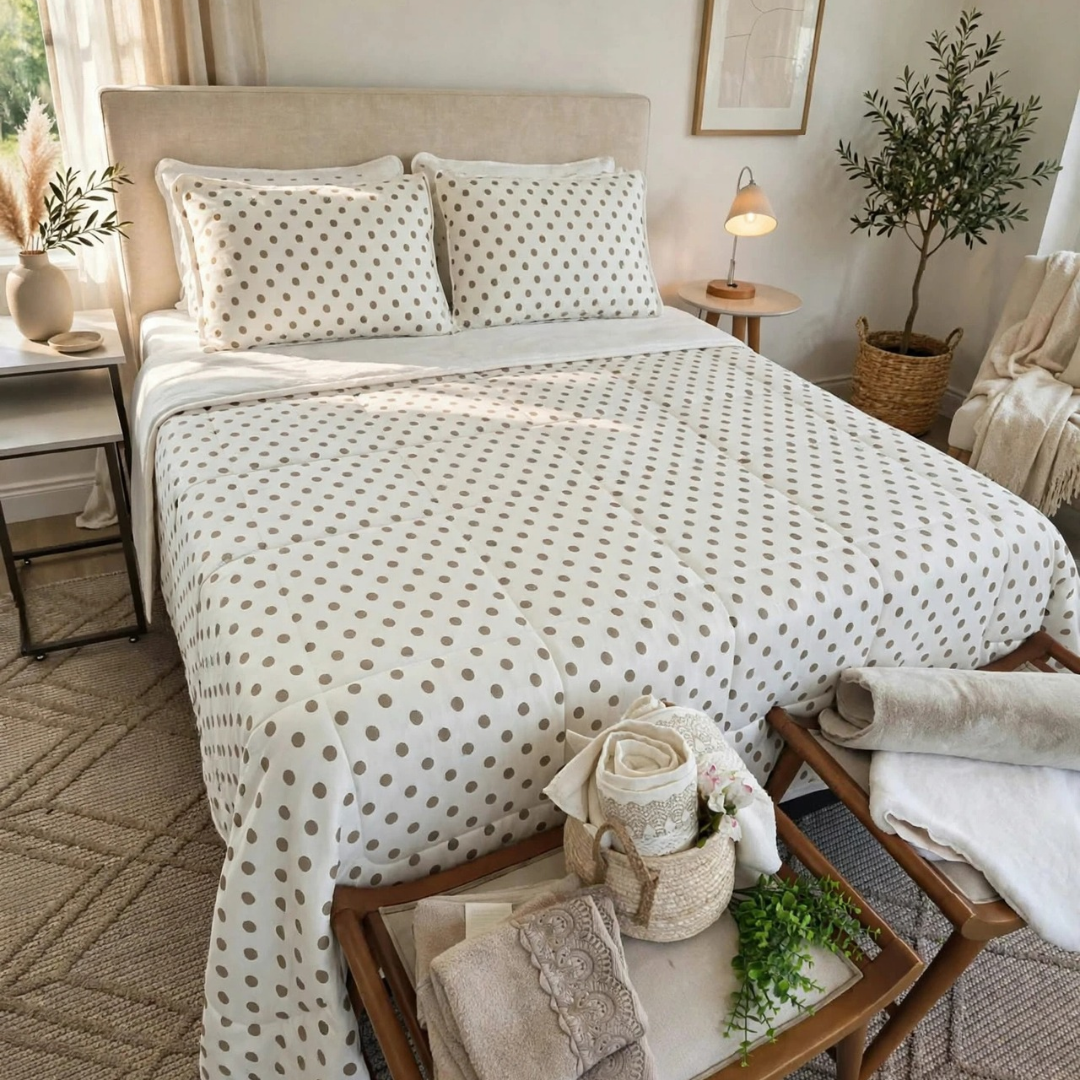
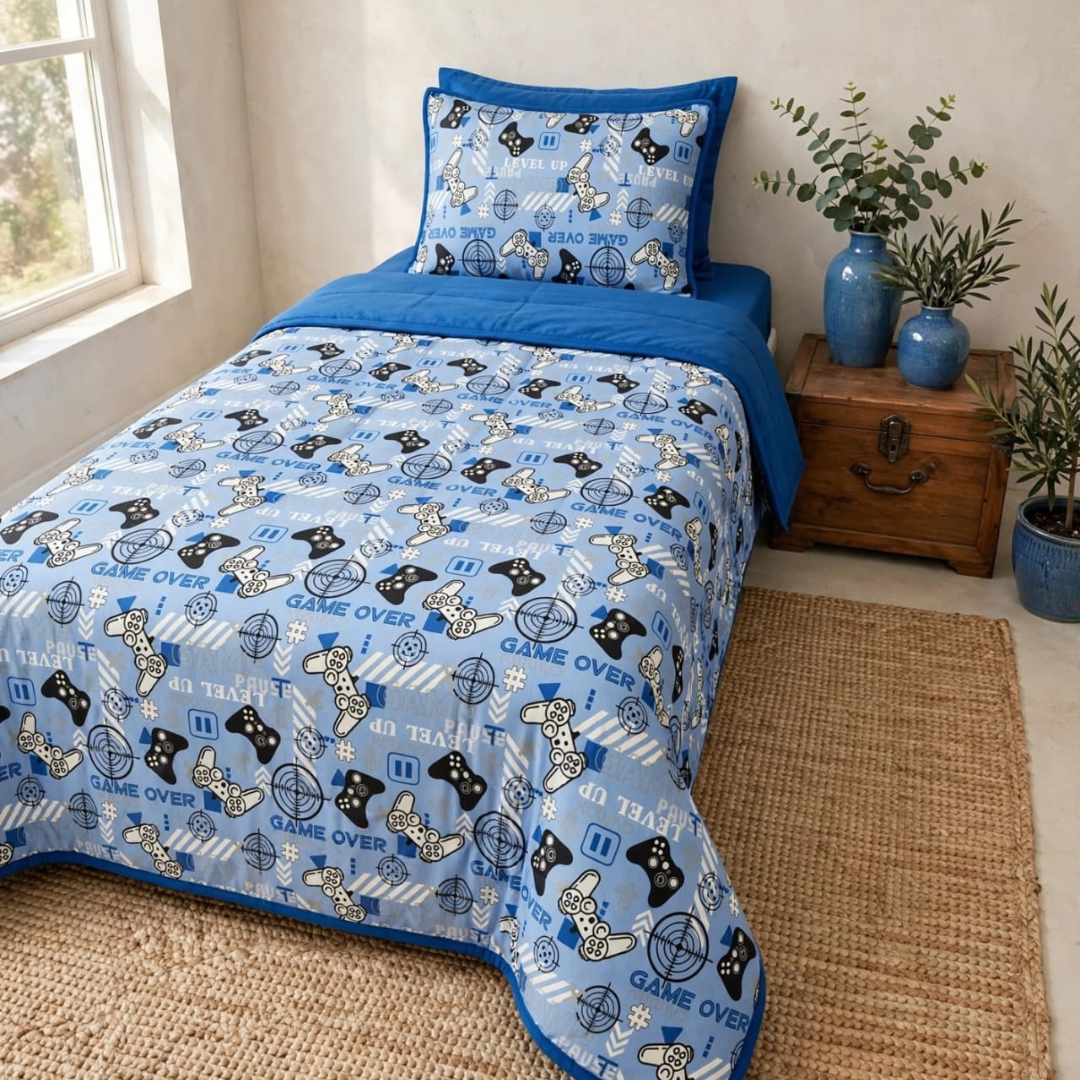
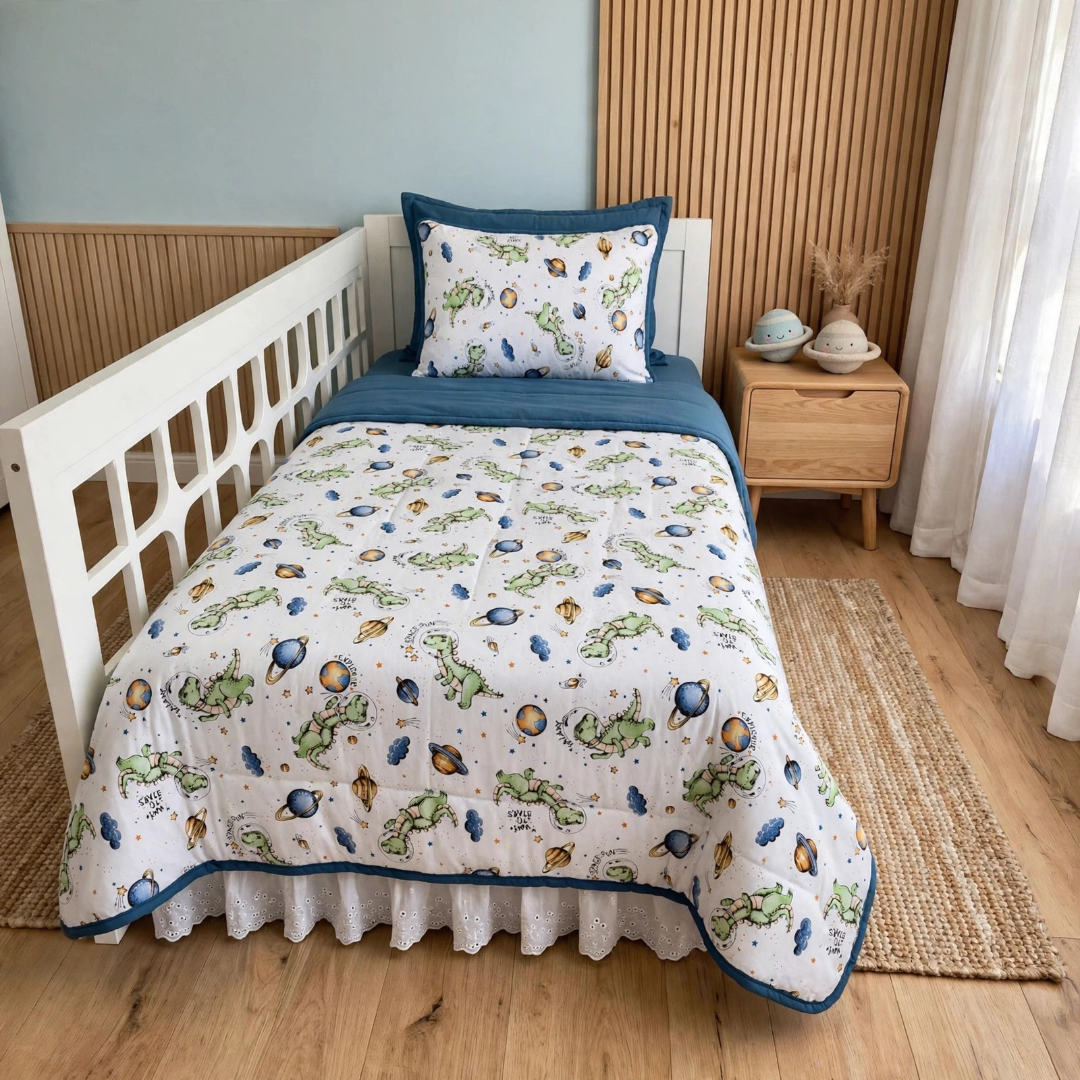
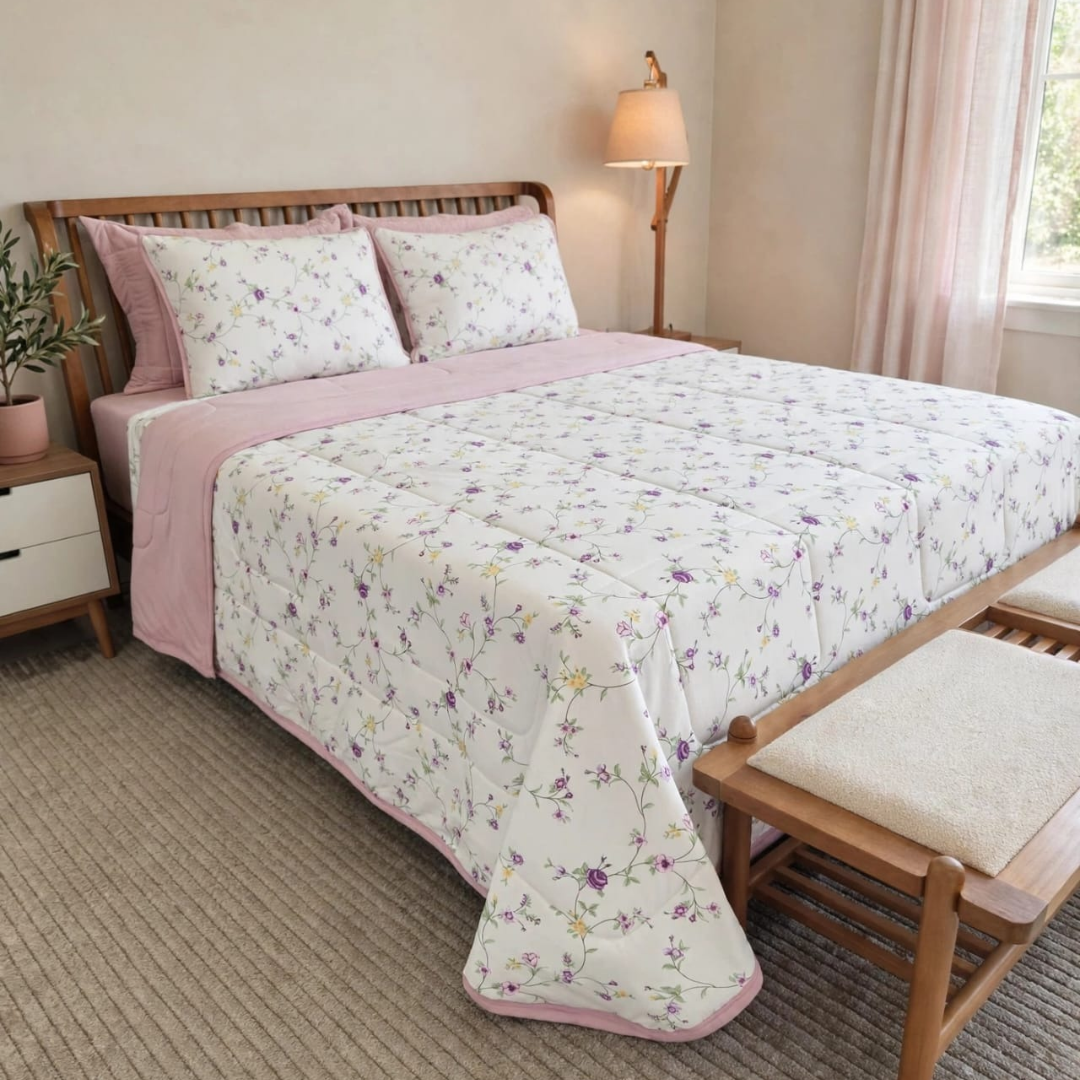
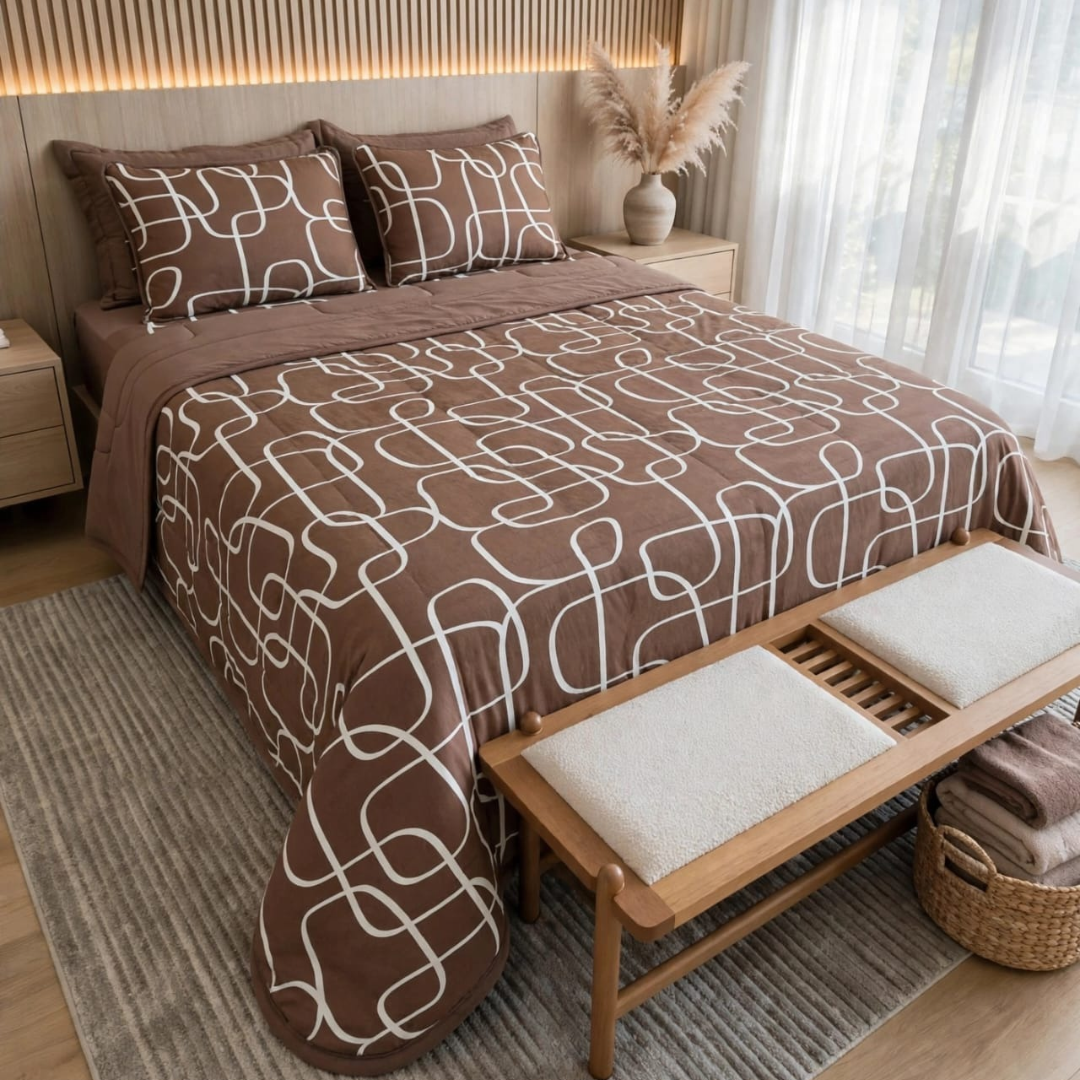
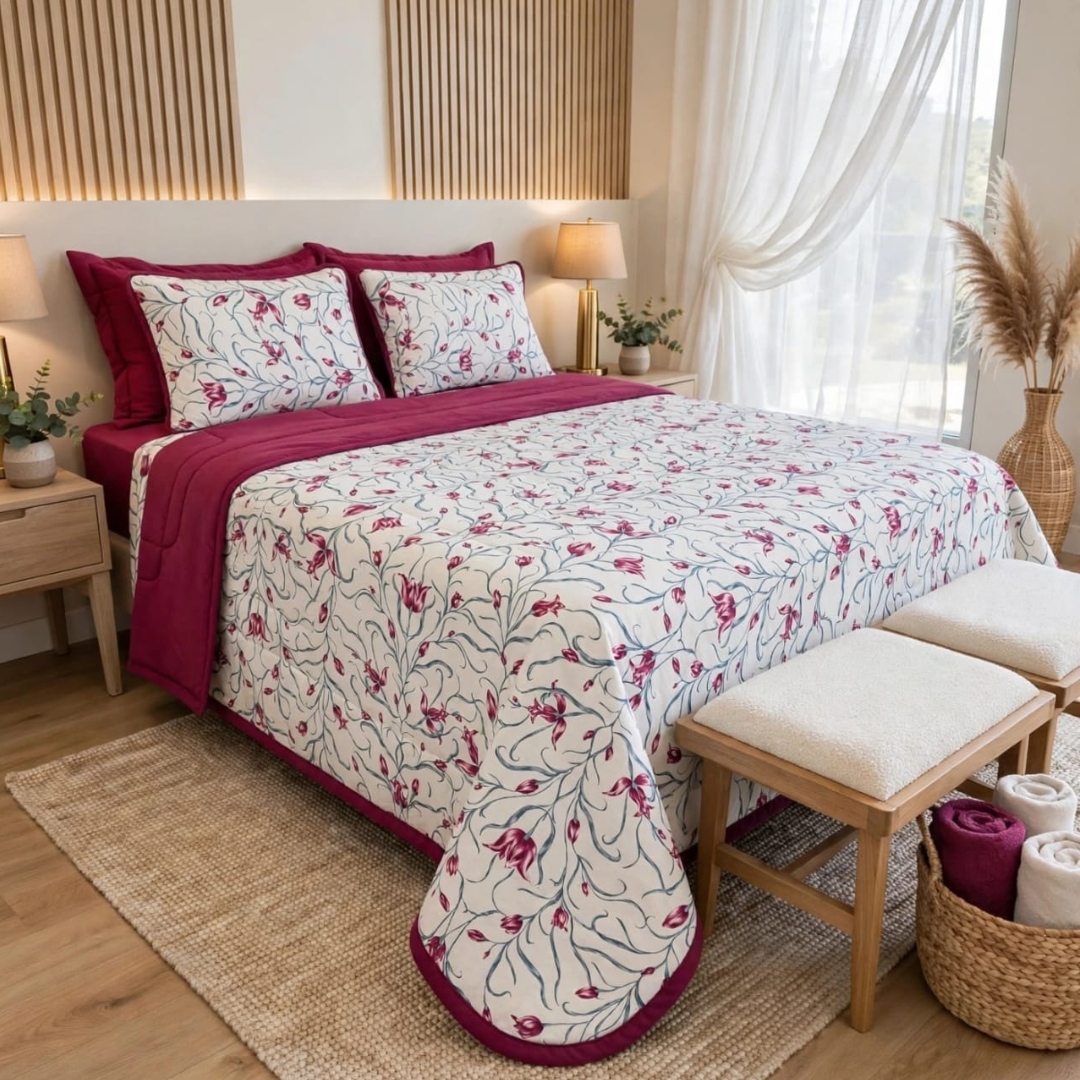
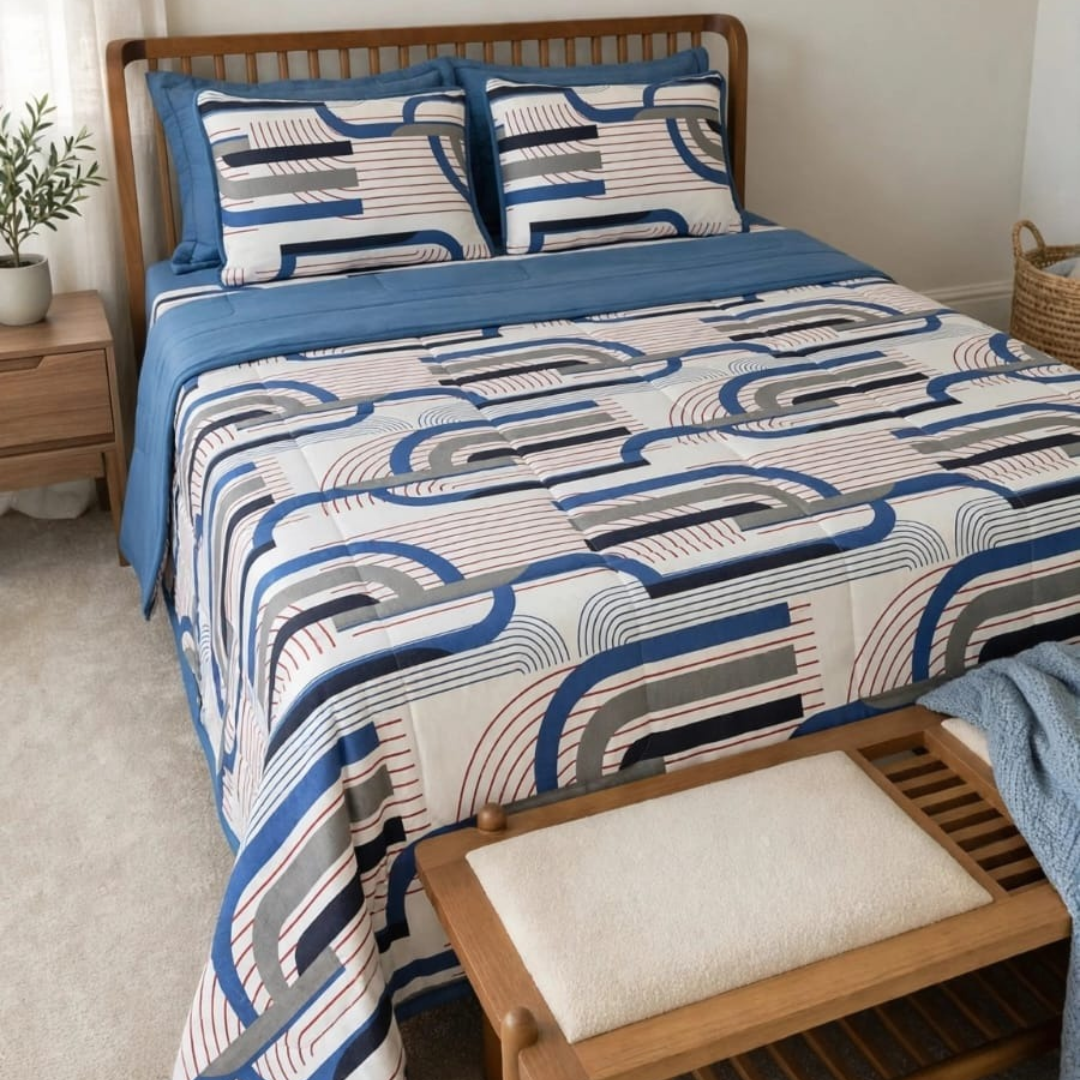
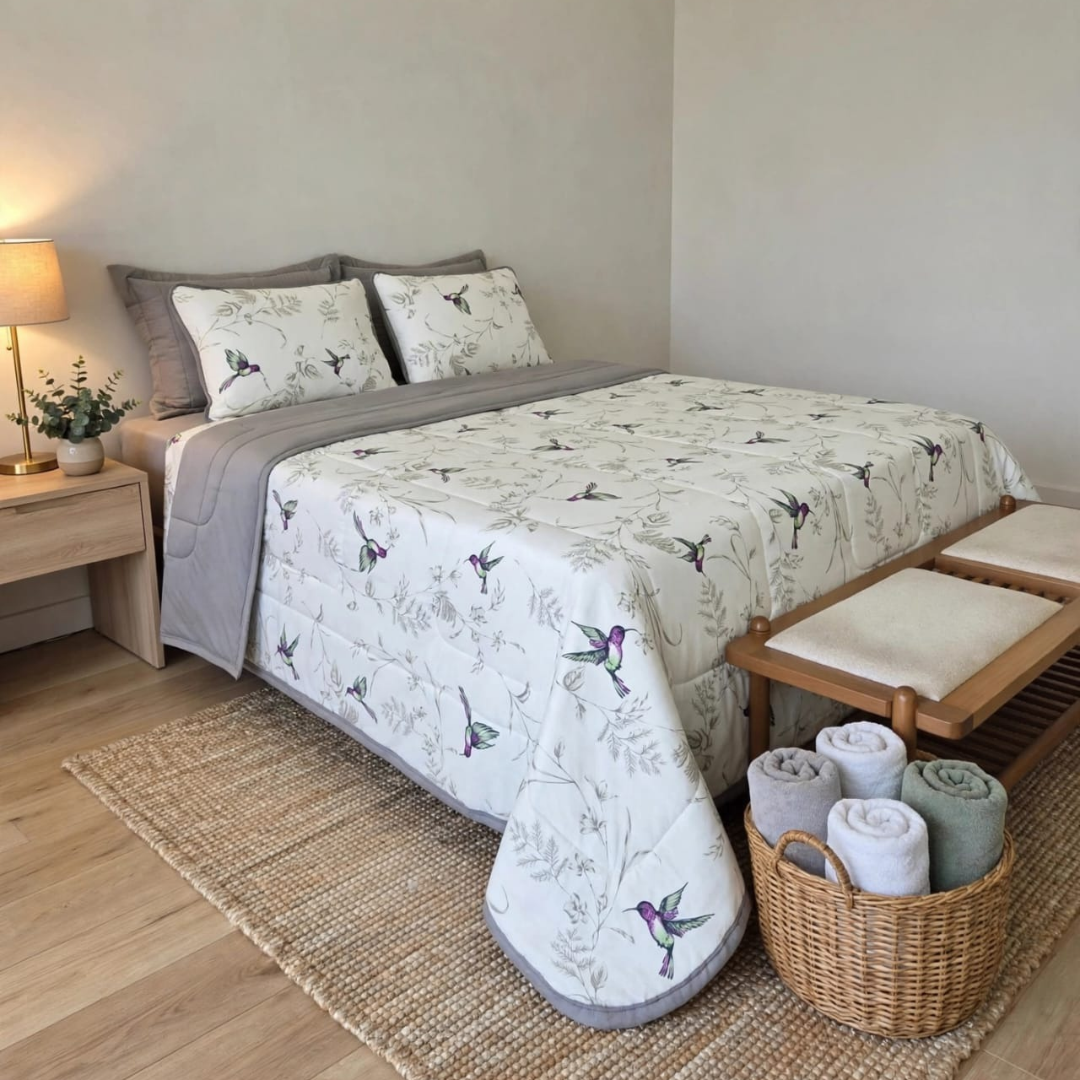
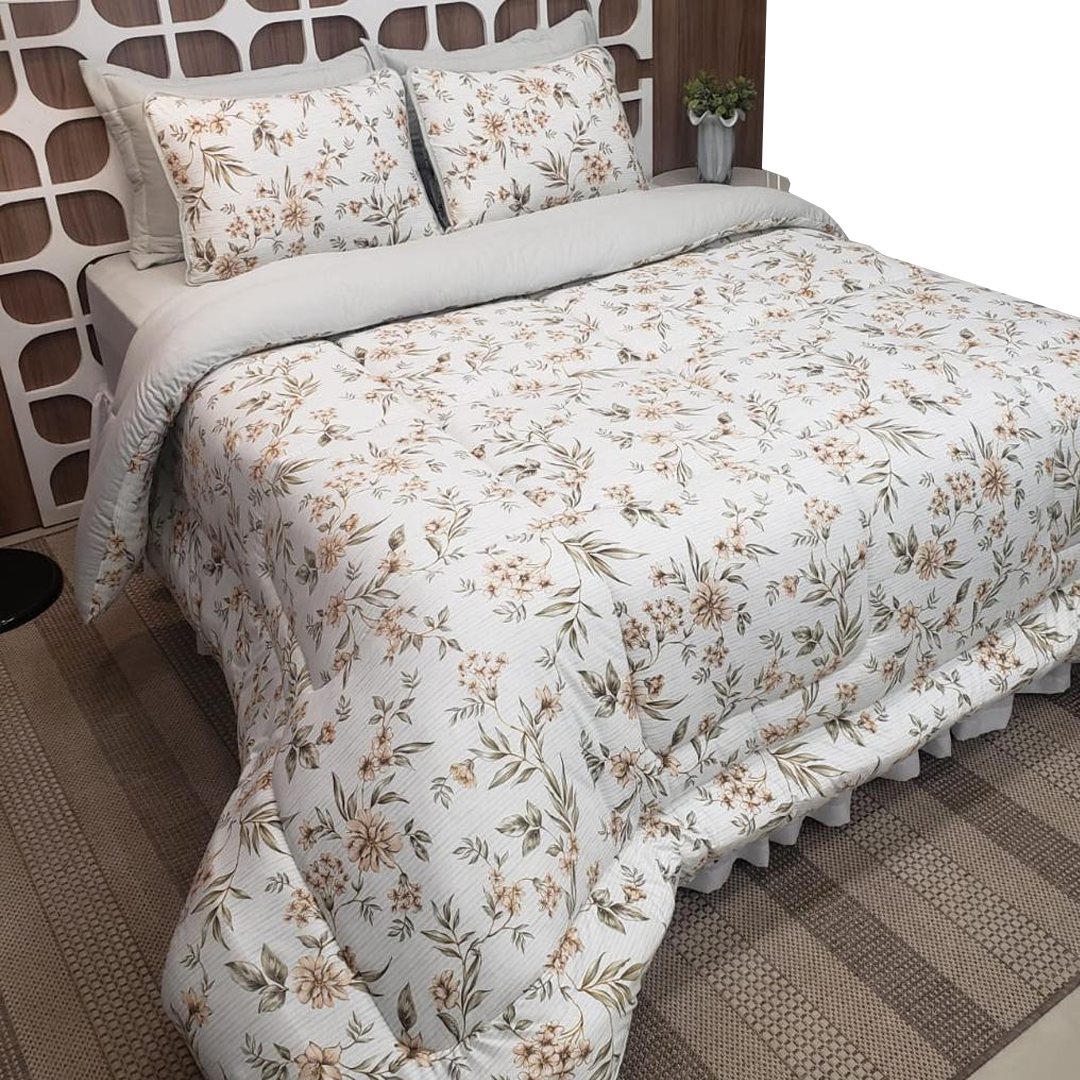
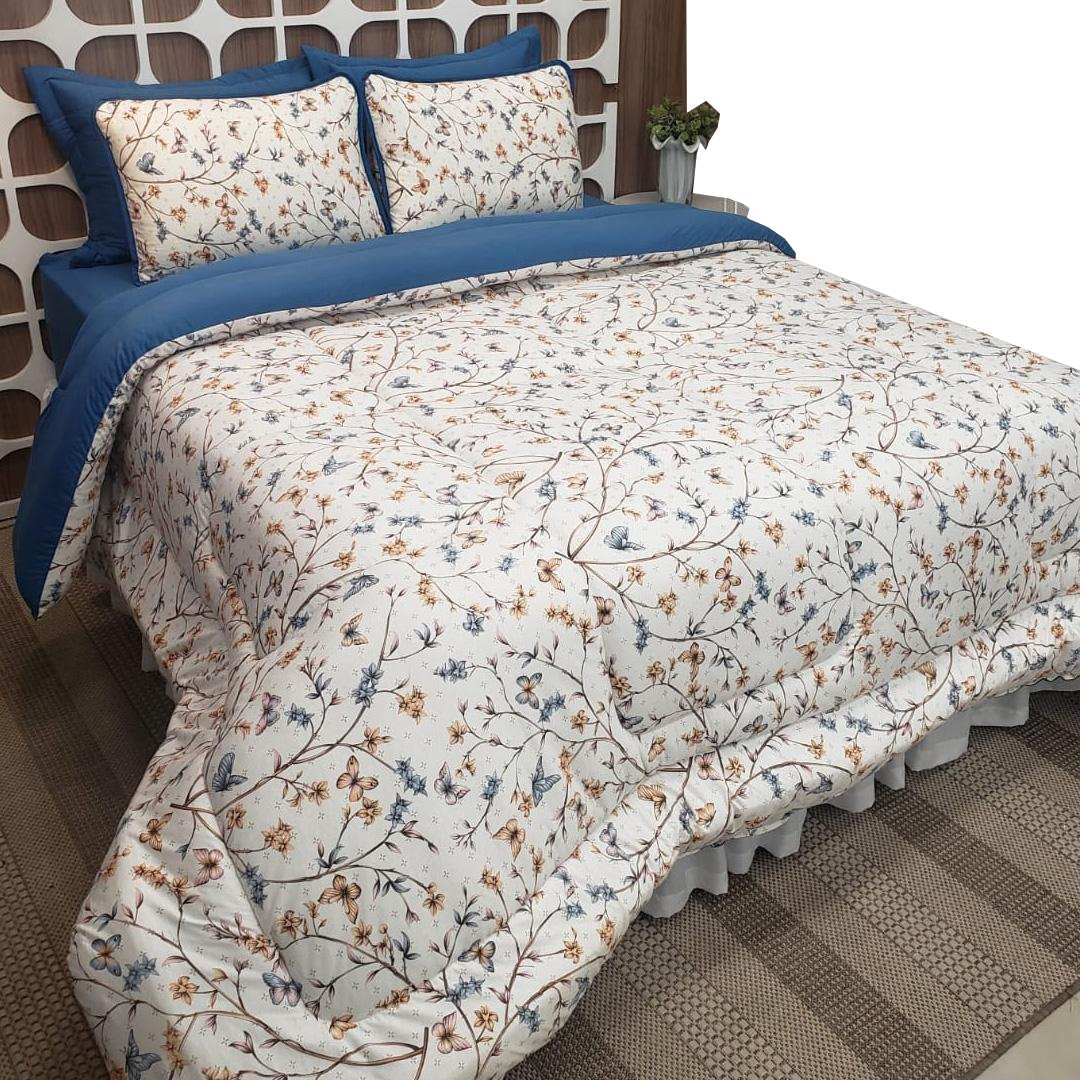
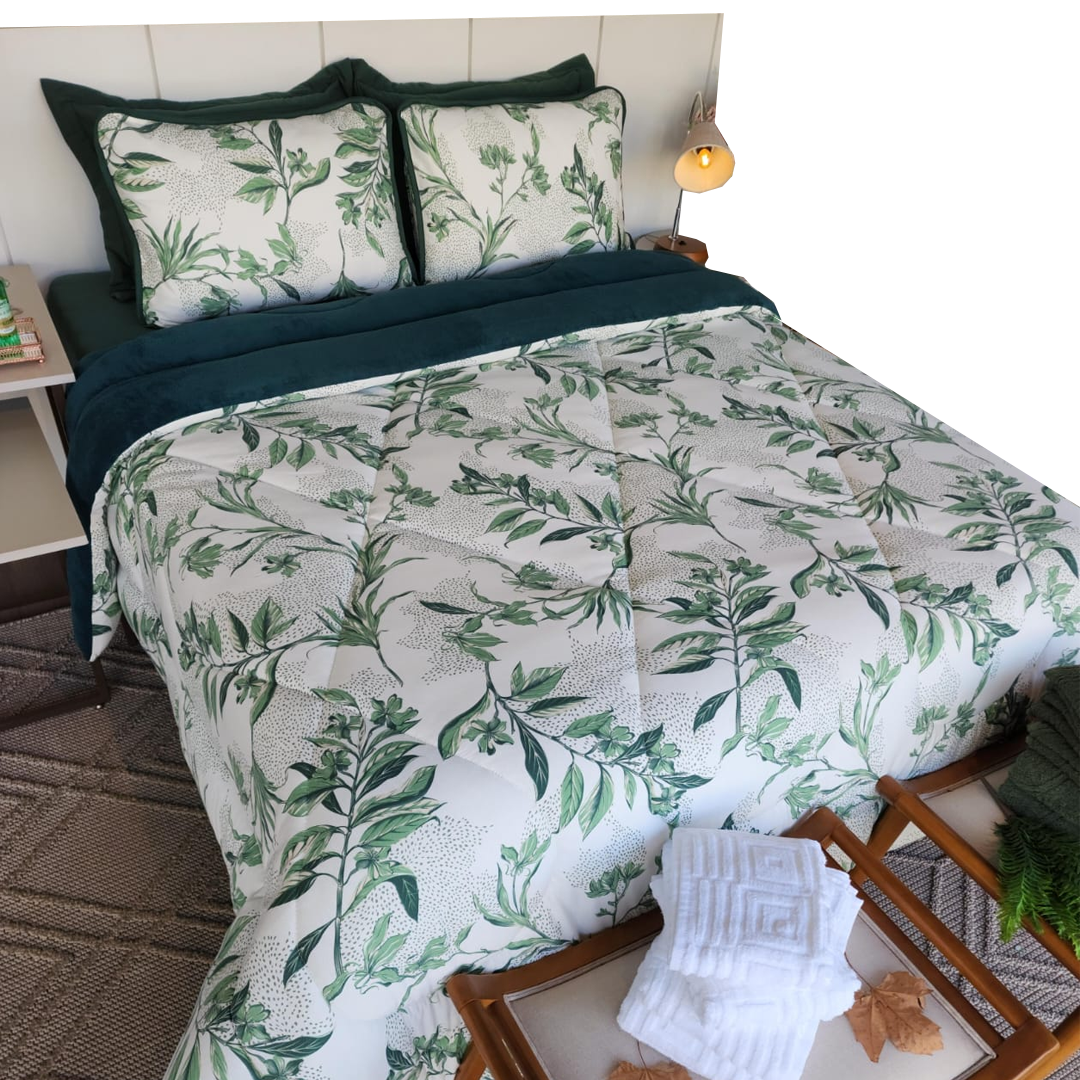
Design e aconchego pensados para elevar a experiência do seu lar.
R$ 269,00 – R$ 359,00Price range: R$ 269,00 through R$ 359,00
R$ 289,00 – R$ 399,00Price range: R$ 289,00 through R$ 399,00